Quick answer:
What is enamel hypoplasia?
Enamel hypoplasia is a condition where the protective outer layer of the tooth, called enamel, develops thinner or weaker than normal. This can cause sensitivity, discolouration, and a higher risk of decay (damage to the tooth caused by acids produced when bacteria in plaque break down sugars in food and drink). While you cannot regrow lost enamel, you can help prevent further damage with good daily oral care, fluoride products, and timely dental treatment.
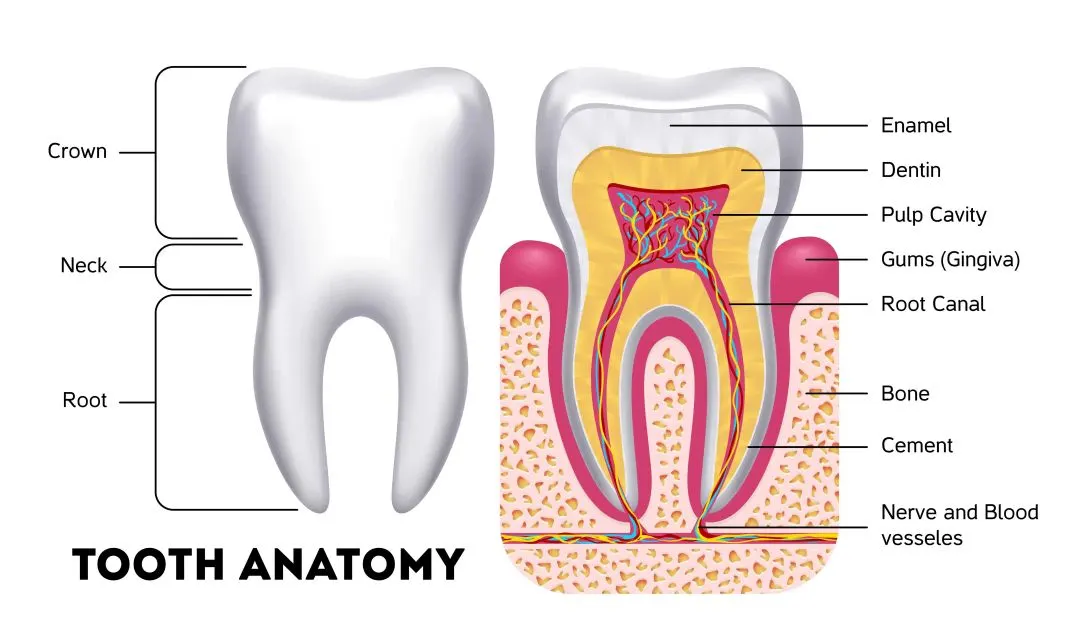
Enamel hypoplasia is a condition where the protective outer layer of the tooth, known as enamel, develops thinner or weaker than normal. This can leave teeth more vulnerable to sensitivity, discoloration, decay, and damage over time. In some cases, this is linked to a condition called enamel hypoplasia, where enamel develops thinner or weaker than normal. This can leave your teeth more vulnerable, leading to discomfort, sensitivity, and even visible changes. Understanding what is tooth enamel and how it protects your teeth is important when learning how to prevent long-term damage and sensitivity. In this article, we will explore what enamel hypoplasia is, why it happens, and the strategies you can adopt to protect your teeth.
What Is Enamel Hypoplasia?
Enamel hypoplasia is a developmental condition where tooth enamel forms incorrectly, resulting in thin, weak, or uneven enamel on the teeth. This defect can happen while teeth are still growing, and it can affect both children and adults. When enamel is compromised or incomplete, it may show as discoloured patches, ridges, or an overall thin appearance.
Tooth enamel protects the inner layers of the tooth from sensitivity, decay, and everyday tooth wear (a gradual loss of tooth surface caused by processes like grinding, erosion from acids, or abrasion from brushing too hard). Weak or underdeveloped enamel can make teeth more prone to sensitivity, decay, and minor fractures. According to NHS guidance, weakened enamel and tooth decay can increase the risk of cavities, sensitivity, and long-term tooth damage.
If you notice crumbling edges, visible pitting, or unusually fragile teeth, it may be worth speaking with a dentist.
Common Causes of Enamel Hypoplasia
Enamel hypoplasia can be caused by nutritional deficiencies, illnesses, genetics, trauma, and other factors that interfere with normal enamel development. Dietary factors, illnesses, and other conditions have been linked to hypoplasia teeth. Below are typical causes:
Nutritional deficiencies
Nutritional deficiencies can weaken enamel development by depriving growing teeth of essential minerals such as calcium and vitamin D. Without enough essential nutrients, enamel may develop weaker than normal, leaving teeth more vulnerable to chipping, wear, and sensitivity over time. Research published by the National Institutes of Health also highlights the role of mineral deficiencies in disrupted enamel development.
Illness and infection
Illnesses and infections can disrupt normal enamel formation during tooth development, especially during childhood. High fevers or serious health conditions, including certain viral or bacterial diseases, can affect the way your body allocates resources to growing teeth.
An illness that leads to dehydration and mineral imbalance can also cause or worsen weakness in tooth enamel.
Genetic considerations
Genetic conditions can affect how tooth enamel develops, sometimes resulting in naturally weaker or thinner enamel. Congenital disorders affecting tooth formation can result in weaker enamel. These inherited conditions may affect enamel development from an early age, sometimes requiring dental monitoring or treatment during childhood to help protect developing teeth.
Trauma to developing teeth
Trauma to developing teeth can interfere with proper enamel formation and may result in weakened or uneven enamel surfaces. A blow to the jaw in early childhood or certain medical conditions affecting jaw development might lead to a tooth with compromised enamel layers.
What are the symptoms of weak tooth enamel?
The symptoms of weak tooth enamel often include visible enamel changes, tooth sensitivity, and increased vulnerability to wear or damage.
Visual symptoms
Weak or underdeveloped enamel can appear as:
White spots or patches that won’t go away even with thorough cleaning
Yellow or brown discolouration, indicating the inner tooth layers are more visible
Pitting, ridges, or grooves on the tooth surface
Edges of the tooth chipping away, especially around the biting surfaces
Functional and sensory symptoms
When enamel is compromised, you might also experience:
Greater sensitivity to hot or cold foods, due to exposed nerve endings
Slight pain or sharp zings if you consume sugary or acidic items
Rough or “chalky” tooth textures when running your tongue across the surface
How is enamel hypoplasia treated?
Enamel hypoplasia is treated with protective and restorative dental treatments that help strengthen weak enamel, reduce sensitivity, and protect teeth from further damage.
Medical professionals often tailor these treatments to the severity of the condition and the patient’s overall dental health.
Fluoride treatments
Fluoride helps remineralise and toughen up your teeth’s outer layer. Fluoride treatments in a dental office or brushing regularly with Oral-B fluoride toothpaste at home can help strengthen and protect remaining enamel. NHS guidance on tooth decay also supports fluoride use as an important way to strengthen teeth and help protect enamel from further damage.
Dental bonding
Bonding involves applying a tooth-coloured resin to the surface of affected teeth. This resin can cover small pits or cracks, offering additional protection and smoothing out rough surfaces. Dental bonding is often a less invasive option to improve aesthetics and shield your enamel from additional wear.
Sealants
Sealants are protective coatings usually placed on the chewing surfaces of the back teeth to stop debris from get stuck in the grooves. In cases of crumbling teeth disease or dental hypoplasia, sealants can function as a guard for weakened enamel, reducing the risk of cavities in those harder-to-reach areas.
Fillings
Standard composite fillings can replace or reinforce areas where a tooth has already suffered decay. For enamel hypoplasia, fillings can “fill in” structural deficits, particularly if the underlying dentin (the layer of tooth tissue beneath the enamel; it is softer and more sensitive than enamel and can cause discomfort) is exposed. This helps prevent bacteria from penetrating deeper and causing further damage.
Crowns or veneers
For severe weakened enamel or large-scale hypoplasia, dentists may recommend crowns or veneers. Crowns involve covering most of the tooth, while veneers are bonded to the front surface to enhance both the appearance and protection of your natural tooth. Both options can effectively safeguard your teeth from further wear and sensitivities.
Help manage enamel hypoplasia with a good oral care routine with Oral-B
A good oral care routine helps manage enamel hypoplasia by reducing plaque buildup (a soft, sticky film of bacteria that constantly forms on teeth and along the gumline. If not removed regularly, it can lead to tooth decay and gum problems), protecting weakened enamel, and lowering the risk of tooth decay and sensitivity. Not all toothbrush technologies remove plaque equally well. Researchers evaluated more than 1,300 study participants across 19 clinical trials and compared several toothbrush technologies, including manual and powered options. The technology behind Oral-B iO- oscillation rotation- ranked highest for plaque reduction in the analysis. For consumers, that means it showed the strongest overall performance for helping remove plaque and keep teeth cleaner.
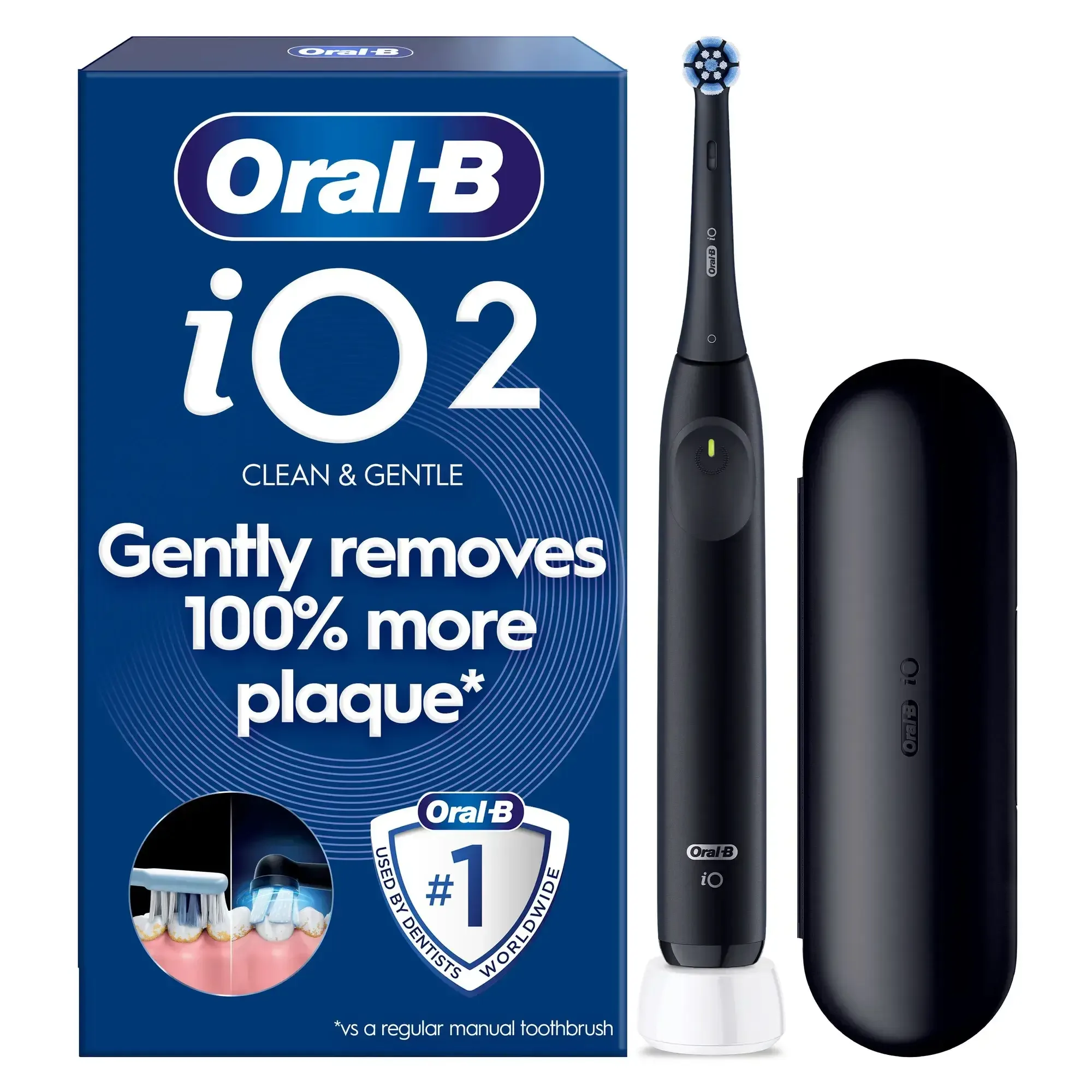
Using an advanced toothbrush such as the Oral-B iO Electric Toothbrush Series may help clean teeth effectively while remaining gentle on weakened enamel surfaces. This can be especially helpful for anyone with weak enamel or ongoing enamel erosion concerns. Pairing the right brush with a suitable enamel toothpaste can help support stronger teeth and reduce the risk of further enamel wear.
Summary
Enamel hypoplasia is a condition that causes tooth enamel to develop thinner or weaker than normal, increasing the risk of sensitivity, discoloration, decay, and tooth damage. Brushing thoroughly with an advanced electric brush like the Oral-B iO Electric Toothbrush Series, along with regular rinsing and professional check-ups, helps preserve what enamel you have and protects against additional harm. If you suspect you or your child may have enamel hypoplasia treatment needs, scheduling an appointment with a dental professional is an excellent next step.
FAQs
Is my tooth enamel weak or just stained?
It can be tricky to tell the difference, as both issues may show up as discolouration. Staining usually results from certain foods, drinks, or tobacco. Weak enamel often shows additional signs like surface ridges, heightened sensitivity, or chipping. A dentist can help you identify the underlying cause and advise on the best treatment.
Is weak enamel reversible?
Enamel can’t regrow once it’s lost, so weakness isn’t fully reversible. However, you can help remineralise and protect what’s left by using fluoride products, maintaining a good oral care routine, and limiting exposure to acidic or sugary foods. Early intervention and appropriate treatments can significantly slow further damage.
Can acidic foods permanently damage tooth enamel?
Yes, foods and drinks with high acidity can gradually erode the tooth surface, leaving long-term effects if not managed. If you consume acidic items, pairing them with water, using a straw, or waiting 30 minutes before brushing can help reduce harm. For comprehensive prevention, talk to your dentist and consider using fluoride toothpaste.