Summary
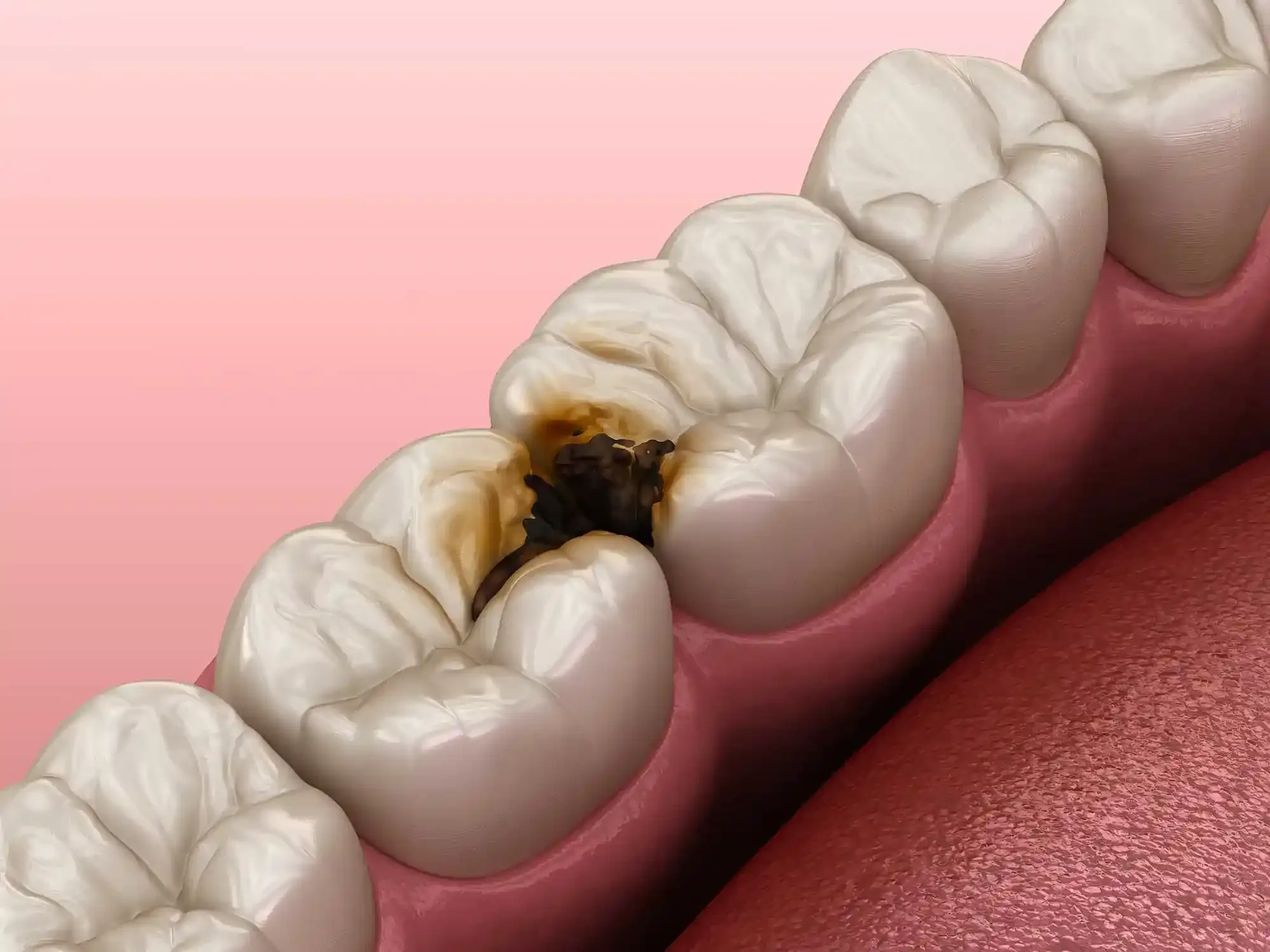
A cavity is a small hole in a tooth caused by tooth decay. Cavities are very common in kids and can happen even in baby teeth. Early signs of tooth decay in children may include chalky white spots or subtle discoloration.
Even though baby teeth will eventually fall out, they still matter and cavities shouldn’t be ignored. The good news is that brushing twice a day for two minutes with fluoride toothpaste to remove plaque can help prevent cavities. Caught early, decay can sometimes be stopped by a dentist.
You can protect your child’s oral health by recognizing the early signs, regularly visiting the dentist, and helping them brush with fluoride toothpaste and floss every day.
What Causes Cavities in Children and Toddlers?
Tooth decay weakens a tooth’s enamel. It happens when plaque bacteria use sugars and starches from food and drinks to make acid that wears the enamel down. If the damage progresses, a hole called a cavity can form.
Baby bottle tooth decay is a specific form of decay that often affects a child’s upper front teeth when they fall asleep with a bottle of milk, formula, or juice. Keep in mind that cavities don’t necessarily mean neglect. Some children are just more prone to tooth decay than others.
Brushing every tooth thoroughly, including the hard-to-reach back molars, helps remove the plaque that contributes to tooth decay. Manual and electric toothbrush models are available for children. A 2026 independent network meta-analysis ranked oscillating-rotating technology, the technology used in the Oral-B iO Kids toothbrush for ages 6 and up, first for plaque reduction among the technologies evaluated, including manual toothbrushes.
Regardless of how cavities form, keeping baby teeth healthy is important because they do more than just help children chew and speak. They also save space for permanent adult teeth to grow in correctly.
What Are the Signs of Tooth Decay in Children?
Early Signs of Tooth Decay
If your child has tooth decay, you might first notice subtle chalky white spots, opaque areas, or slight discoloration near their gumline, especially on their front teeth or the grooves of their back molars.
While these signs can sometimes indicate mineral loss and decay, you’ll need to take your child to a dental professional for a definitive diagnosis. Caught early, decay can sometimes be stopped.
Signs Decay Has Progressed
As the decay process continues, your child may develop visible dark or brown spots, rough pits, or actual holes in the tooth itself. They might also experience sensitivity to sweets or hot or cold foods and drinks, or a toothache.
That said, decay can also progress without causing discomfort, meaning that waiting for pain can delay necessary care. If you see any signs of tooth decay, arrange for your child to visit the dentist.
How Are Cavities in Children Treated?
Can Early Tooth Decay Be Reversed?
Sometimes, yes. Early tooth decay often shows up as white spots that can potentially be stopped or reversed with professional fluoride treatments. Your dentist can tell you what is best for your child.
However, once a cavity forms, a toothbrush or home remedy can’t treat it. At that point, only a dentist can evaluate the stage of decay to determine the appropriate treatment.
Treatment for Cavities in Baby Teeth
Dentists can use different types of treatment depending on the severity of the decay. These treatments range from professional fluoride varnish applications and silver diamine fluoride (SDF) to traditional fillings and pediatric crowns.
Fluoride varnish is mostly used for prevention or to treat early decay, while SDF, fillings, and crowns are often treatment options once a cavity has formed. If decay reaches the pulp, the dentist may recommend a pulpotomy or another treatment depending on the tooth’s condition. In severe cases, the tooth may need to be removed.
Silver diamine fluoride can stop active decay non-invasively, but it permanently darkens treated areas and does not restore damaged tooth structure. Your dentist can tell you if it's a good fit for your child.
Contact a dental professional right away if your child experiences pain, swelling, or visible damage. A new toothbrush or better brushing habits can't replace a dental visit.
How to Help Prevent Cavities and Tooth Decay in Children
Brush Twice Daily with Fluoride Toothpaste
It’s important for kids to brush their teeth for two full minutes, twice a day, using a soft-bristled brush and fluoride toothpaste. For children under age 3, use a rice-grain-sized smear. For children ages 3 to 6, use a pea-sized amount. Because your young child may not have the fine motor skills to clean their teeth thoroughly, you’ll need to brush for them or supervise their brushing.
This twice-daily, two-minute brushing routine helps remove plaque and can help prevent cavities, alongside smart dietary habits. A 2026 independent network meta-analysis ranked oscillating-rotating technology, the technology used in the Oral-B iO Kids round brush head for ages 6 and up, first for plaque reduction among the technologies evaluated.
Clean Between Teeth and Limit Frequent Sugar Exposure
Start cleaning between your child's teeth (flossing) once a day as soon as any two baby teeth touch one another. As with brushing, you'll likely need to do it for them until they have the coordination to do it on their own.
Try to limit sugary snacks and drinks, rather than letting your child snack or sip throughout the day. If they take a bottle to bed, fill it with water only.
Schedule Dental Visits and Ask About Preventive Treatments
Plan your child’s first dental visit when their first tooth comes in, or by their first birthday at the latest. After that, their dentist can tell you how often to come back.
In addition to regular dental cleanings, your child’s dentist may apply fluoride varnish to the teeth or sealants (a thin protective coating) to the chewing surfaces of back teeth to help prevent decay.
What Research Shows About Toothbrushes for Kids
A 2026 network meta-analysis of 19 randomized controlled trials ranked oscillating-rotating technology, the technology used in the Oral-B iO Kids round brush head, first for plaque reduction among the technologies evaluated, which also included sonic, ultrasonic, other electric, and manual toothbrushes.
This independent review evaluated broad toothbrush technology categories rather than individual commercial products. It also highlighted children as a population in which particularly strong benefits were observed. The authors concluded that oscillating-rotating toothbrushes may be considered a preferred choice for improving oral hygiene, particularly in children.
Choosing the Best Toothbrush for Kids
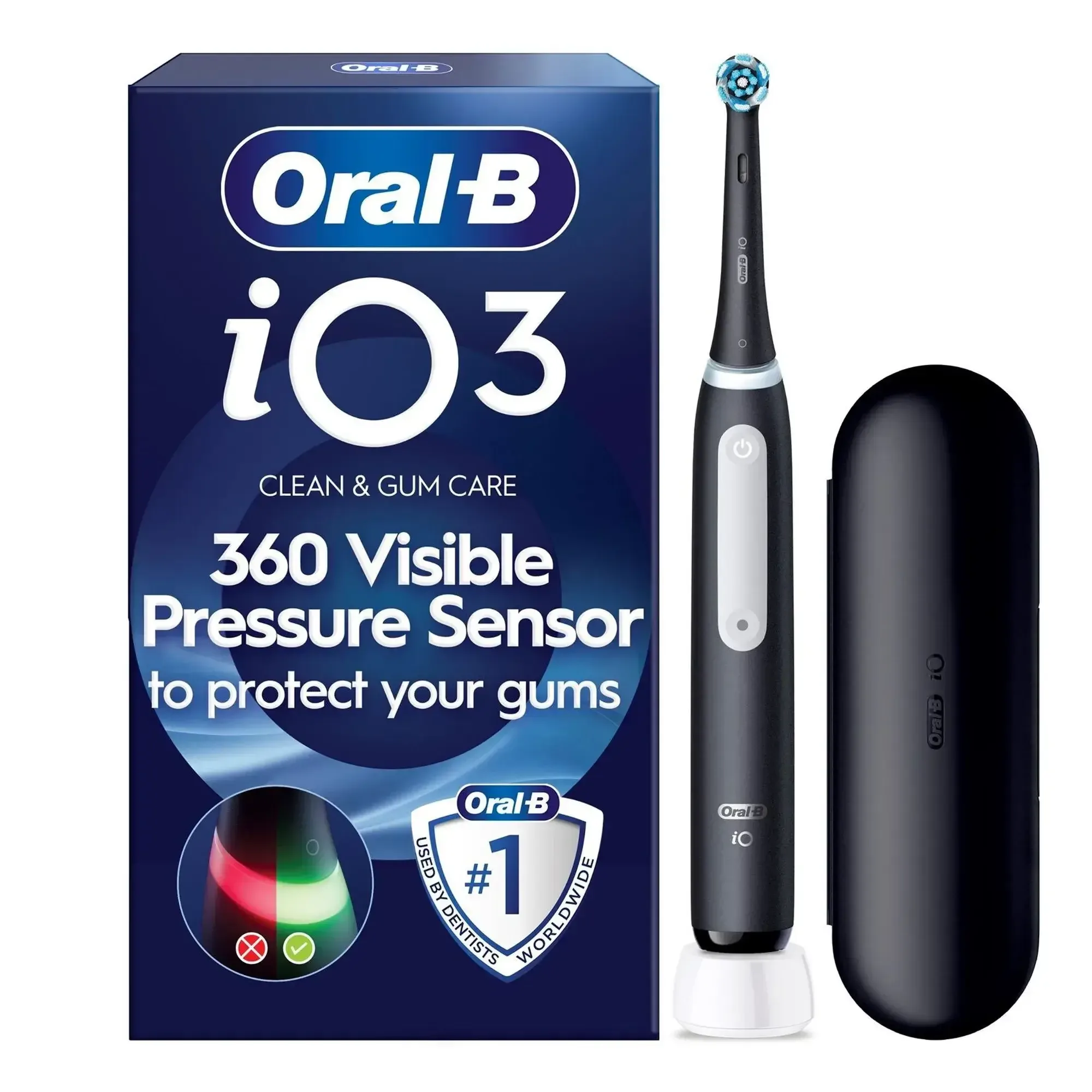
For children ages 6 and older, we recommend the Oral-B iO Kids Electric Toothbrush for everyday brushing and plaque removal.
Our recommendation draws on a clinical trial of the iO model used in iO Kids and an independent review that ranked oscillating-rotating technology (the technology used in the Oral-B iO Kids round brush head) first for plaque reduction among the technologies evaluated. iO Kids also has features designed to help children build good brushing habits with adult guidance.
Clinical Evidence for Plaque Removal
In a four-week randomized controlled trial in children aged 6–10, the iO model used in Oral-B iO Kids delivered 51% greater whole-mouth plaque reduction than the manual toothbrush tested, with significantly greater reductions in hard-to-clean areas, including the molars.
Both study groups brushed twice daily with fluoride toothpaste, but only one used the oscillating-rotating technology. These results support the plaque-removal effectiveness of the tested iO model for children in this age range.
Features That Help Children Brush Effectively
The Oral-B iO Kids Electric Toothbrush also has features designed to help children build good brushing habits.
The dentist-inspired round head and extra-soft bristles are designed for a child's smaller mouth. An automatic pressure sensor slows the brush to protect gums when a child presses too hard. And a two-minute timer with musical cues encourages the full two minutes of proper brushing.
Keep in mind that children should use a brush specifically sized and labeled for their age group. Oral-B iO Kids is designed for ages 6 and up.
Frequently Asked Questions
How Common Are Cavities in Toddlers?
Very common. Cavities are one of the most common health problems in kids. According to the Centers for Disease Control and Prevention (CDC), about 1 in 4 children ages 2 to 5 have had cavities in their baby teeth.
That's why it's important to start brushing early and keep up regular dental checkups.
Why Does My Child Keep Getting Cavities Even Though We Brush?
If your child keeps getting cavities even though you brush twice a day, keep in mind that frequency is only one part of the equation. Your child may not be getting all the plaque off their teeth or they may be missing hard-to-reach places (like their molars) when they brush.
In addition, frequent sugary or starchy foods and drinks may give plaque bacteria more opportunities to produce acid, or your child may not be getting enough fluoride from toothpaste or drinking water. Some children also just have weaker enamel. All of these factors can contribute to tooth decay and cavities even though you’re brushing twice a day.
A pediatric dentist can help figure out what's causing the cavities and what to do next.
What Happens During a Toddler’s Cavity Filling?
A pediatric cavity filling typically starts with the dentist examining your child’s teeth and then explaining in a simple, comforting way what is going to happen.
The dentist usually numbs the area with a local anesthetic and may use calming techniques or laughing gas to help your child relax. Next, the dentist gently removes the decayed tissue and places a durable filling to restore the tooth's shape and function.
For very young children or more extensive treatment, the dentist may recommend sedation or general anesthesia.
What Can I Do If My Child Hates Brushing Their Teeth?
Resistance to brushing is common, but establishing a predictable daily routine can help. Try pairing brushing with a favorite song or a built-in timer. For kids 6 and up, Oral-B iO Kids has a two-minute music timer to make brushing more fun.
Use a soft, age-appropriate toothbrush. Let your child brush first, then take a turn yourself to reach the spots they missed. Keep the experience low-stress to help build positive lifelong habits.