The best electric toothbrush for plaque removal uses oscillating-rotating technology, according to an independent 2026 network meta-analysis comparing electric toothbrush technologies. Two brushes can look equally advanced, but the way each brush head meets the teeth affects how much plaque it removes.
This guide explains how oscillating-rotating and sonic toothbrushes clean, where plaque matters most and why removing plaque thoroughly every day can help prevent it from hardening into tartar.
How Each Technology Removes Plaque
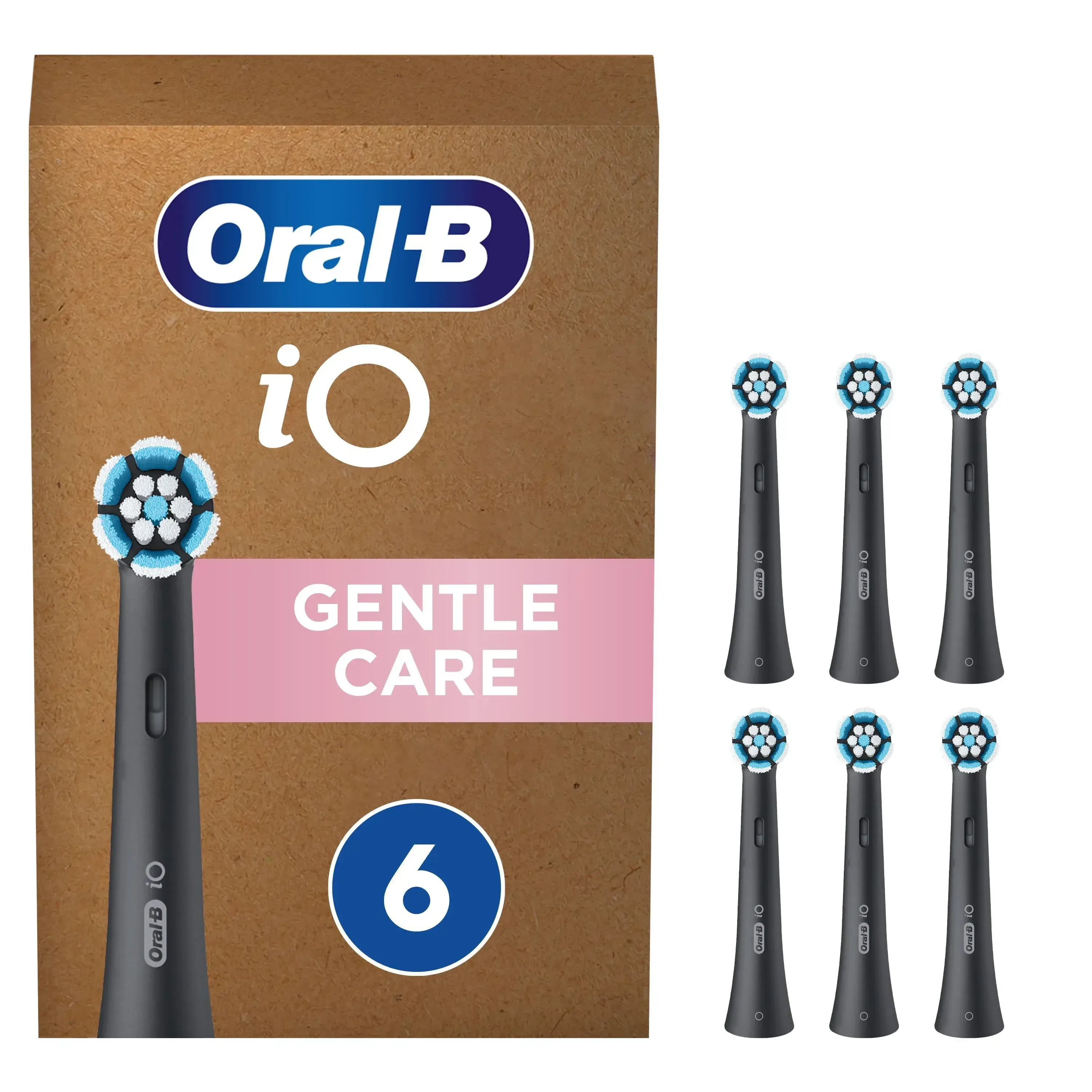
Oscillating-rotating and sonic toothbrushes remove plaque using different head shapes and cleaning movements. An oscillating-rotating toothbrush has a small, round brush head that cups each tooth. It moves back and forth around the tooth surface, allowing you to guide it slowly along the gumline and towards the spaces between teeth. Oral-B iO combines this movement with gentle micro-vibrations.
A sonic toothbrush usually has an elongated head that looks more like a manual toothbrush. The bristles vibrate rapidly from side to side, cleaning across several teeth at once. Both technologies can remove plaque when used correctly, but the available evidence does not place them equally for plaque reduction.
Which Technology Removes the Most Plaque?
Oscillating-rotating technology has the strongest ranking for plaque removal among the toothbrush technologies compared in recent independent research. An independent 2026 network meta-analysis of 19 randomised controlled trials ranked oscillating-rotating technology as the #1 Best Plaque Removal Technology1, ahead of the other toothbrush technologies evaluated. This suggests that people prioritising plaque removal may benefit from an oscillating-rotating brush design.
This does not mean technique stops mattering. The best electric toothbrush for plaque removal still needs to be guided across every tooth surface and along the gumline for a thorough clean.
Where Tartar Starts
Tartar begins as plaque that remains on the teeth and hardens, particularly in areas that are easy to miss during daily cleaning. The gumline and spaces between teeth need close attention because plaque can remain there when brushing is rushed or incomplete. Understanding dental plaque and tartar can help you focus on removing the soft build-up while it can still be brushed away.
Plaque also contributes to gum inflammation. NHS Education for Scotland describes dental plaque as the main cause of gingivitis and recommends cleaning where the teeth and gums meet.
Can an Electric Toothbrush Remove Tartar?
No electric toothbrush can remove tartar once plaque has hardened on the teeth. Tartar, also called calculus, is firmly attached to the tooth surface and may need to be removed professionally by a dentist or hygienist. Trying to brush harder will not safely lift it away.
An electric toothbrush plays a preventive role instead. By removing more plaque each day, including from commonly missed areas, it helps reduce the amount left behind to harden. Learn more about plaque and tartar.
Oral-B iO vs Sonic: More Plaque Removed Where Tartar Starts
Oral-B iO is designed to remove plaque thoroughly along the gumline and between teeth, where missed plaque can contribute to tartar build-up. The round head cups each tooth so you can guide the bristles around its surface, along the gumline and towards the gaps between teeth instead of sweeping across several teeth at once. This is where the design of a round brush head can make a difference. By cleaning closely along the gumline and around each tooth, Oral-B iO 5-10 has been shown to remove 40% more gumline plaque where tartar starts versus Sonicare DiamondClean2, helping address the areas where plaque is most likely to accumulate.
It’s all about preventing build-up, not removing tartar that has already formed. Once plaque has hardened into tartar, professional cleaning is required.
Sonic vs Oscillating-Rotating for Plaque: Side by Side
Both technologies remove plaque, but oscillating-rotating brushes use a tooth-by-tooth cleaning action and have the stronger comparative evidence for plaque reduction.
Oscillating-rotating | Sonic |
|---|
A small, round head cups and cleans each tooth individually. | An elongated head moves side to side across several teeth. |
The head can be guided slowly along the gumline and towards the spaces between teeth. | Effective coverage depends on positioning the longer head carefully across all surfaces. |
Ranked first for plaque reduction in a 2026 network meta-analysis. | Ranked second for plaque reduction in the same analysis. |
Removes plaque before it hardens but cannot remove existing tartar. | Removes plaque before it hardens but cannot remove existing tartar. |
Both technologies can support a good daily routine. However, if your main question is which electric toothbrush removes the most plaque, the independent comparative evidence favours oscillating-rotating technology.
How to Remove More Plaque Every Day
Removing more plaque depends on covering every tooth surface, brushing for long enough and effective interdental cleaning .
Guide an oscillating-rotating head slowly from tooth to tooth rather than scrubbing.
Angle the bristles towards the gumline and pause briefly around each tooth.
Brush for at least two minutes, twice a day.
Clean between your teeth daily with floss or interdental brushes.
Replace the brush head every three months, or sooner if the bristles become worn.
Attend regular dental and hygienist appointments at the intervals recommended for you.
NHS Education for Scotland recommends brushing where the teeth and gums meet twice daily for at least two minutes, cleaning between the teeth and attending regular dental check-ups.
Why Oral-B iO Gives You a Head Start on Tartar
Oral-B iO combines oscillating-rotating cleaning with features designed to help you remove plaque consistently before it can harden into tartar. Its round head cleans tooth by tooth, while micro-vibrations support a thorough clean. The iO Ultimate Clean brush head is designed to reach around each tooth and along the gumline.
The Smart Pressure Sensor helps you recognise when you are brushing too hard, too softly or with appropriate pressure. Depending on the model, coverage tracking can also highlight areas you may have missed, helping you complete a more even clean.
These features do not remove existing tartar. They support more consistent plaque removal, which helps prevent tartar build-up. Explore the Oral-B iO range to compare the available models.
The Bottom Line
Oscillating-rotating technology is the evidence-led choice when plaque removal is your priority. Its round head cleans tooth by tooth and can be guided closely along the gumline and towards the spaces between teeth. Oral-B iO takes this technology further with micro-vibrations and guided-brushing features to support thorough daily plaque removal.
No toothbrush can remove tartar once it has formed. The aim is to remove as much plaque as possible every day, before it has the chance to harden.
FAQs
Which electric toothbrush removes the most plaque?
Oscillating-rotating electric toothbrushes ranked first for plaque reduction in an independent 2026 network meta-analysis of 19 randomised controlled trials. Sonic brushes ranked second among the technologies compared. Correct technique and complete coverage remain essential whichever electric toothbrush you use.
Is a sonic or oscillating-rotating toothbrush better for tartar?
An oscillating-rotating toothbrush offers the stronger evidence for plaque removal. Neither technology can remove tartar that is already attached to the teeth. Existing tartar requires professional removal by a dentist or hygienist.
Can an electric toothbrush remove tartar?
No. An electric toothbrush cannot remove hardened tartar, also called calculus. It can remove plaque before it hardens, helping prevent further tartar build-up when brushing is thorough and combined with daily cleaning between the teeth.
Where does tartar usually build up?
Tartar can build up where plaque is repeatedly missed, including along the gumline and between teeth. NHS Education for Scotland recommends giving particular attention to the area where the gums and teeth meet and cleaning between the teeth with suitable interdental tools.
Do I still need to clean between my teeth with an electric toothbrush?
Yes. An electric toothbrush cleans the visible tooth surfaces and gumline, but you should still clean between the teeth every day. NHS Education for Scotland recommends interdental brushes or dental floss and advises asking your dental team which tools are most suitable for you.
Bibliography
1Based on research ranking efficacy of toothbrush technologies published in 2026.
2Oral-B iO5-10 with Ultimate Clean Brush Head vs Sonicare DiamondClean with Premium Plaque Control brush head; research published in Am J Dent 2021;34:54-60