Quick answer:
What are tea stains on teeth?
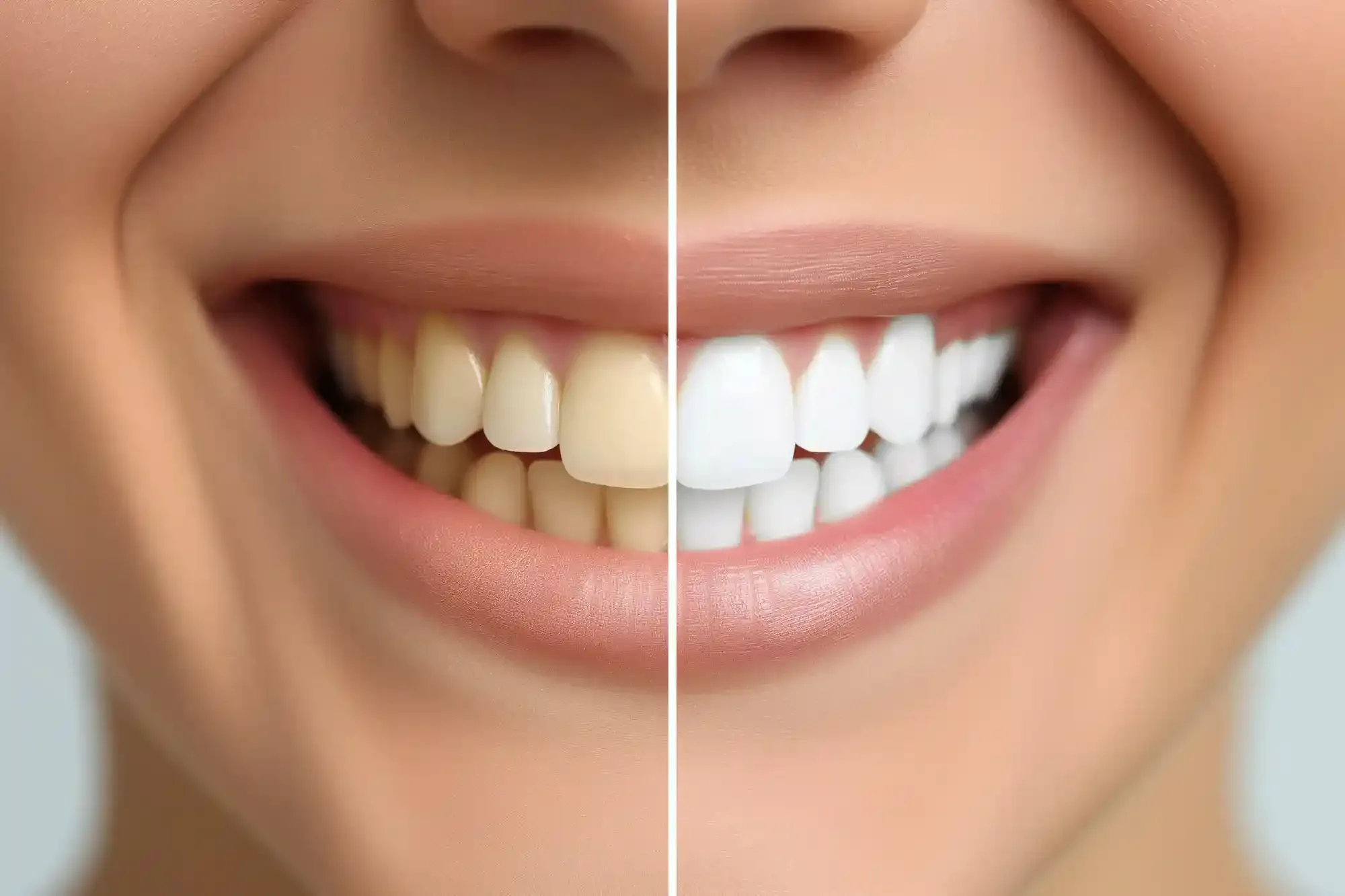
Tea stains on teeth are surface discolourations caused by pigments and tannins in tea that stick to tooth enamel, especially where plaque builds up. Over time, these compounds can create yellow, brown, or slightly grey marks on the outer layer of the teeth, often near the gumline and between teeth. Tea stains are usually cosmetic and don’t typically damage enamel directly, and they can often be improved with good daily oral hygiene and professional dental cleaning.
Tea can stain your teeth over time because natural pigments called tannins cling to enamel and gradually cause surface discolouration. While tea-stained teeth are common, the stains are usually cosmetic and can often be reduced with good oral hygiene and professional dental care. This article explains why tea stains teeth, how to recognise the signs, how to get rid of tea stains on teeth, and how to prevent future staining.
Can tea cause teeth stains?
Yes. Tea can stain your teeth because tannins and other natural pigments stick to enamel and gradually build up over time. The longer these pigments remain on your teeth, particularly when plaque is present, the more noticeable the staining can become. Research has shown that drinks rich in chromogens and tannins are among the main causes of extrinsic tooth stains.
Teeth stains: definition
Teeth stains are visible discolourations on the outer or inner layers of a tooth that change its natural shade. There are different types of stains, including surface (extrinsic) stains and deeper (intrinsic) stains, with tea typically causing surface staining. Surface stains often appear as yellow, brown, or grey marks on one or several teeth. Certain lifestyle habits, including regular tea drinking, are recognised causes of staining.
Tea and teeth stains
Tea stains teeth because tannins bind to enamel, especially when plaque is present. Black tea usually causes the most noticeable staining. Many people also wonder if green tea stains teeth. While it can contribute to surface staining over time, it generally causes less noticeable discolouration than strong black tea. Good brushing habits and regular professional cleaning help reduce pigment build-up.
How to recognise tea stains on teeth?
Tea-stained teeth usually appear as yellow or brown patches that gradually build up over time. The staining is often most noticeable:
Your smile may also appear duller, even after brushing. Fortunately, these surface stains are often reversible with professional cleaning and effective home care.
How to treat tea stains on teeth?
Most tea stains can be improved with a combination of daily oral care and professional treatment when needed. Mild surface stains often respond well to improved brushing, while deeper staining may require dental whitening.
At-home and over-the-counter products
Daily oral care is the first step in treating tea-stained teeth. Brush twice daily using a quality electric toothbrush and a whitening toothpaste to gradually lift surface stains.
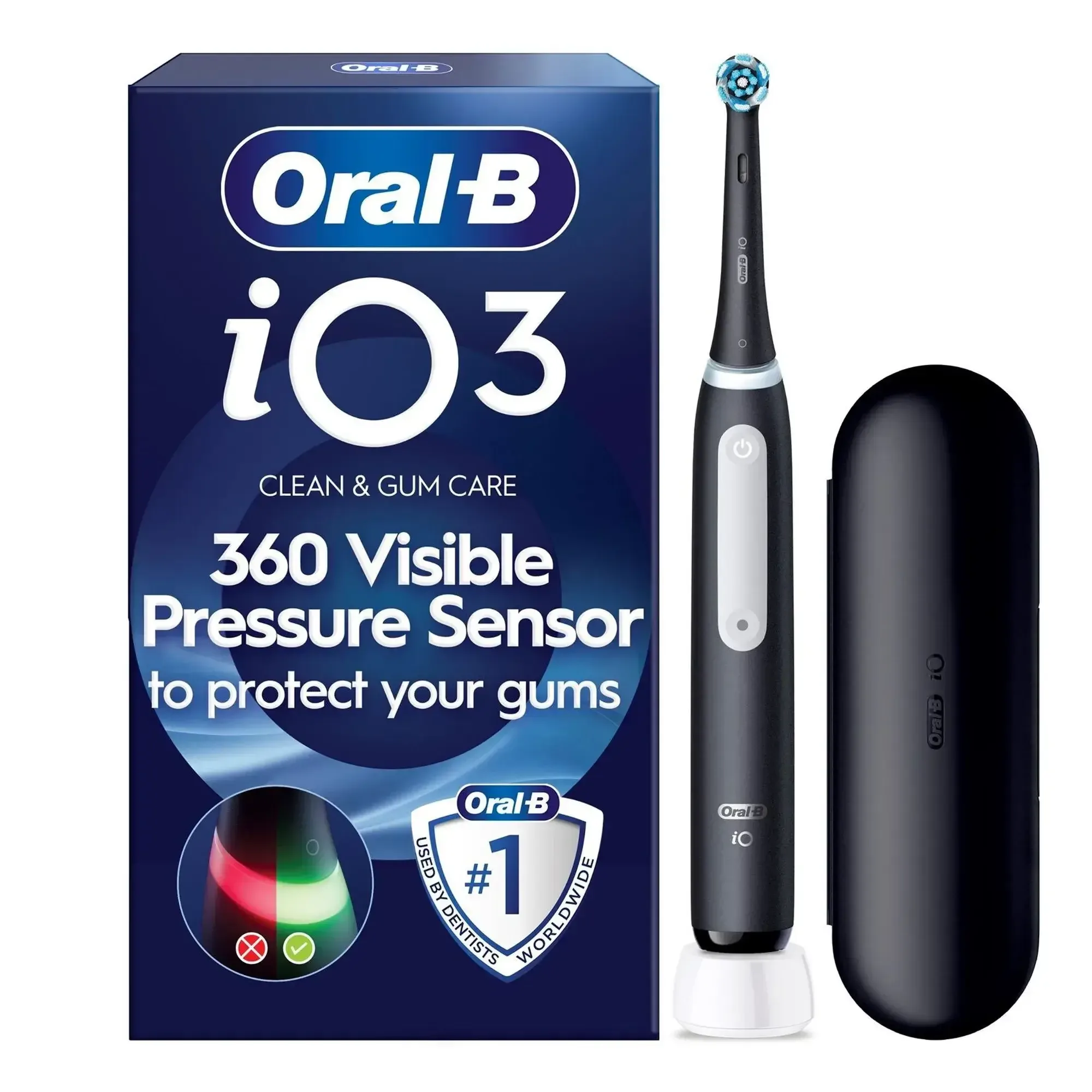
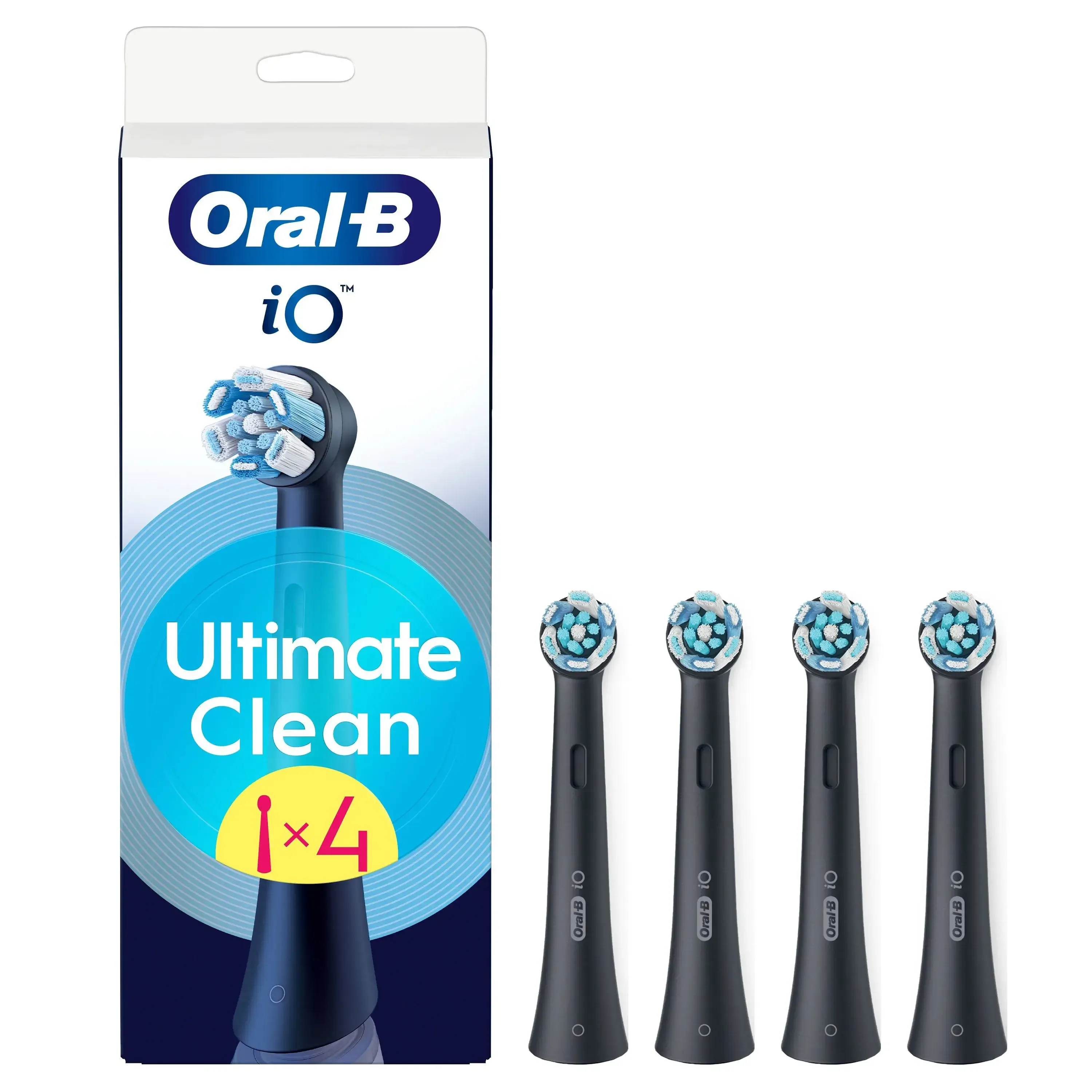
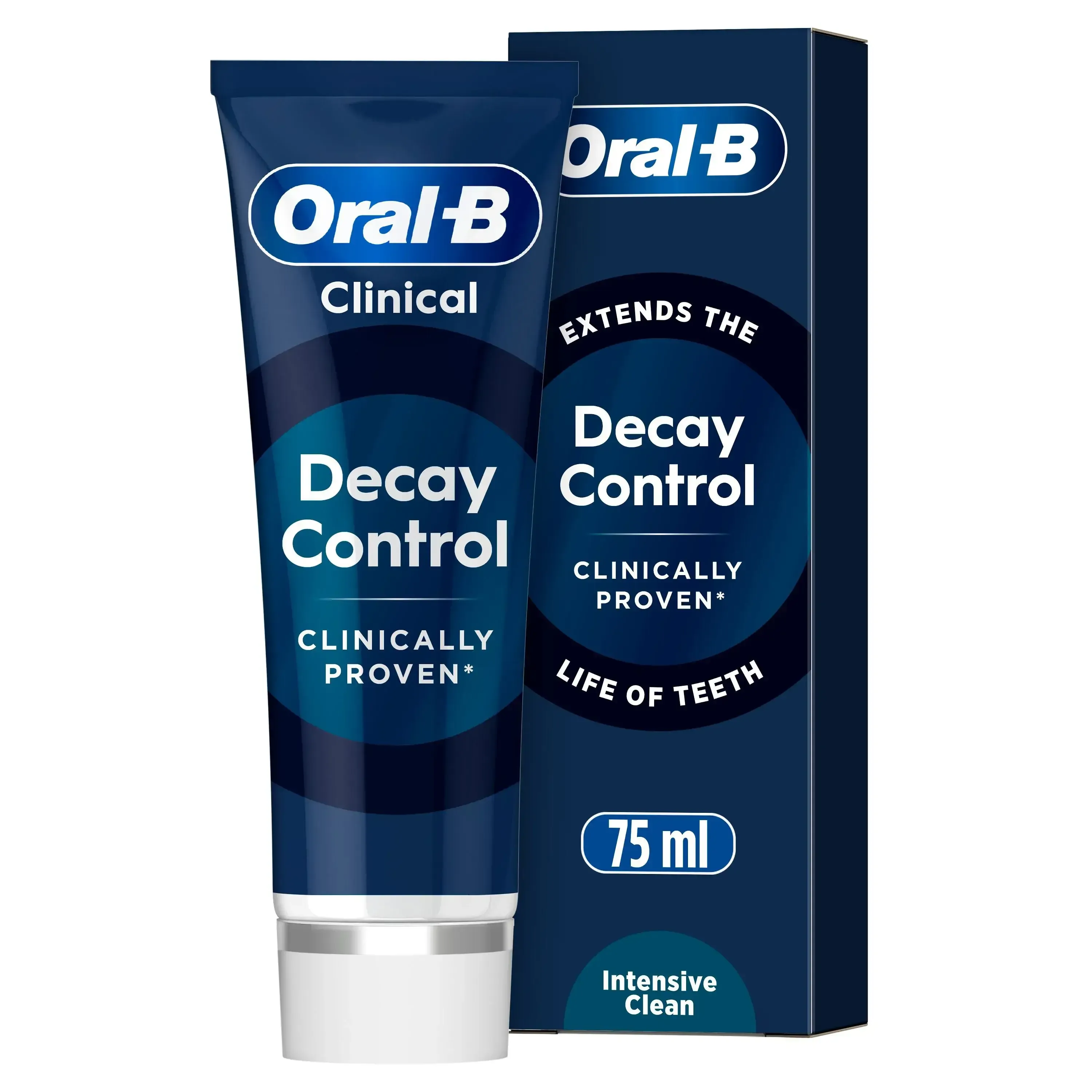
Using the Oral-B iO Electric Toothbrush Series together with Oral-B's toothpastes designed for teeth whitening can help remove plaque and surface discolouration more effectively than manual brushing. Alcohol-free whitening mouthwash may also help maintain brightness between brushings. Many whitening toothpastes use mild polishing agents to help reduce tea-related marks without being too abrasive when used as directed. Home remedies such as baking soda should only be used cautiously to avoid unnecessary enamel wear.
Professional dental treatments
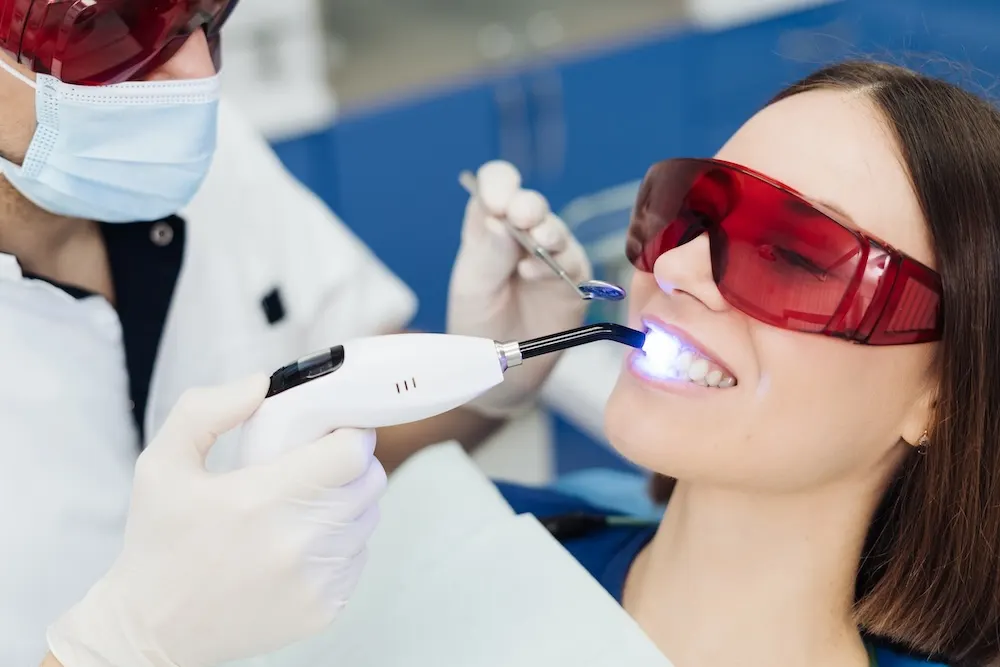
Professional treatments provide the most effective option for stubborn tea stains. A scale and polish removes plaque, tartar, and surface staining, while professional whitening can lighten deeper discolouration safely. For severe cosmetic staining, your dentist may also discuss treatments such as bonding or veneers.
How to prevent tea stains on teeth?
The best way to prevent tea stains on teeth is to reduce pigment build-up while maintaining a thorough daily cleaning routine. If you're wondering how to prevent tea stains on teeth, these simple habits can make a noticeable difference:
Drink tea in one sitting instead of sipping throughout the day.
Rinse with water after drinking tea.
Choose lighter teas where possible.
Use a straw for iced tea.
Brush twice daily with fluoride toothpaste.
Visit your dentist regularly for professional cleaning.
These habits are also effective if you're looking for ways to stop tea staining teeth before stains become more noticeable.
Enhance your oral care routine with Oral-B to help prevent tea stains on teeth
An effective brushing routine helps reduce plaque and makes it harder for tea pigments to stick to enamel. The Oral-B iO Electric Toothbrush Series combines a round brush head with gentle micro-vibrations to clean along the gumline and between teeth while protecting enamel and gums.
Not all toothbrush technologies remove plaque equally well. Researchers evaluated more than 1,300 study participants across 19 clinical trials and compared several toothbrush technologies, including manual and powered options. The technology behind Oral-B iO- oscillation rotation- ranked highest for plaque reduction in the analysis. For consumers, that means it showed the strongest overall performance for helping remove plaque and keep teeth cleaner.
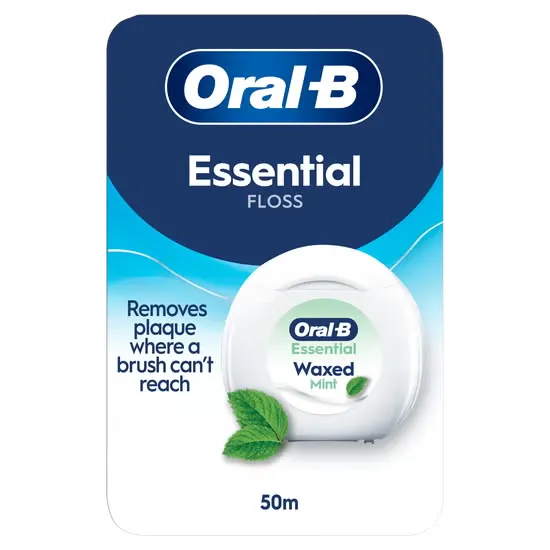
Pairing your toothbrush with a whitening toothpaste, flossing daily, and attending regular dental check-ups can make it much easier to maintain a brighter smile.
Summary
Tea can stain your teeth, but most surface stains are manageable with consistent oral care. Brushing twice daily, cleaning between your teeth, rinsing after tea, and seeing your dentist regularly all help reduce staining. If you're wondering how you can get rid of tea stains on your teeth, combining good daily habits with professional cleaning offers the best results.
FAQs
What teas are more likely to cause stains on teeth?
Teas that are darker and richer in tannins, such as strong black tea and some dark oolong blends, are more likely to stain teeth. Green tea can also contribute to staining over time, although the colour may appear slightly different. Lighter herbal teas generally pose a lower staining risk.
Are tea stains harmful to tooth enamel?
Tea stains are usually cosmetic and do not directly damage enamel. However, plaque and tartar that accompany staining can increase the risk of gum disease and tooth decay.
Are tea stains and coffee stains on teeth different?
Both tea and coffee stain teeth through natural pigments that attach to enamel. Tea often produces yellow-brown stains, while coffee tends to create darker brown staining. Both usually respond well to good oral hygiene and professional cleaning.