This blog has been reviewed and approved by Dr Robert Lee, a dental professional of 35 years
Quick Answer:
What is an oral infection?
Oral infections are problems caused by bacteria, fungi, or viruses in the mouth, such as gum disease, tooth abscesses, oral thrush, cold sores, and tooth decay. Good oral hygiene helps prevent many of them by removing plaque, reducing the number of harmful germs, and supporting strong gums and enamel. If you have severe pain, swelling, fever, or symptoms that don’t improve, it’s best to see a dentist promptly.
Common oral infections are conditions caused by harmful bacteria, fungi, or viruses in the mouth, and good oral hygiene helps reduce the risk by limiting the buildup of harmful microorganisms. According to the World Health Organization (WHO), oral diseases affect billions of people globally and are often linked to preventable factors such as plaque buildup and poor oral hygiene habits. These infections happen when bacteria, fungi, or viruses disrupt the natural balance in your mouth, leading to irritation and other oral health problems. Good oral care plays an important role in prevention, as keeping your mouth clean helps limit the growth of harmful microorganisms. In this article, we’ll explore common types of oral infections, what causes them, and how a strong oral hygiene routine can help protect your teeth and gums.
What is an oral infection?
An oral infection is a condition where harmful bacteria, fungi, or viruses grow inside the mouth and affect the teeth, gums, tongue, or surrounding tissues. These conditions may appear as swollen gums, ulcers, white patches, redness, or painful areas in the mouth. If left untreated, an infection can worsen and sometimes spread to nearby tissues, making eating, speaking, or swallowing uncomfortable.
Per NCBI, untreated oral infections may spread beyond the mouth and contribute to more serious health complications if bacteria enter surrounding tissues. Recognising symptoms early can make treatment simpler and help prevent further complications.
Common types of oral infections
Common oral infections include gum disease, tooth abscesses, oral thrush, cold sores, and dental caries, each affecting different areas of the mouth. Some mainly involve the gums, while others affect the tongue, teeth, or soft tissues.
Gum disease
Gum disease is a bacterial infection that affects the gums and supporting tissues around the teeth. Early-stage gum disease, known as gingivitis, often leads to redness, swelling, and bleeding while brushing. The WHO identifies gum disease as one of the most common oral health conditions worldwide, particularly when plaque is not removed effectively through daily oral care.
Many people experience signs of gingivitis, such as bleeding gums, without realizing it. To understand which toothbrush technologies perform best for gum health, researchers compared evidence from multiple clinical trials. Oscillation rotation, The technology behind Oral-B iO's superior clean ranked highest for gingivitis reduction across the technologies evaluated. This highlights its role in supporting healthier gums through more effective daily plaque removal.
Tooth abscess
A tooth abscess, also known as a dental abscess, is a pocket of pus caused by bacterial infection near a tooth or gum. Per NHS, dental abscesses can develop when bacteria enter the inner parts of the tooth or gums, often causing pain, swelling, and sensitivity. It may cause severe toothache, facial swelling, sensitivity, or discomfort when chewing. In some cases, the infection can spread beyond the affected tooth if treatment is delayed.
Gum Disease vs Tooth Abscess
Feature | Gum Disease | Tooth Abscess |
|---|
Cause | Bacterial plaque buildup along the gumline | Bacterial infection inside or around a tooth |
Main symptoms | Red, swollen, or bleeding gums | Severe toothache, swelling, pus |
Progression | Usually develops gradually | Can develop suddenly |
Treatment | Professional cleaning and improved oral hygiene | May require drainage, root canal treatment, or extraction |
Oral thrush
Oral thrush is a fungal infection caused by an overgrowth of Candida yeast inside the mouth. It commonly appears as creamy white patches on the tongue, cheeks, or roof of the mouth. Although it can affect anyone, it is more likely in people with weakened immune systems or after antibiotic use. Research published by the NCBI notes that fungal infections such as oral thrush are more likely when the mouth’s natural balance of microorganisms becomes disrupted.
Cold sores
Cold sores are small fluid-filled blisters caused by the herpes simplex virus (HSV-1). They usually form around the lips or mouth and may cause tingling, burning, or discomfort before appearing. While cold sores are contagious, they are different from mouth ulcers, which form inside the mouth.
Oral Thrush vs Cold Sores
Feature | Oral Thrush | Cold Sores |
|---|
Cause | Overgrowth of Candida yeast (fungus) | Herpes simplex virus (HSV-1) |
Appearance | Creamy white patches inside the mouth | Small fluid-filled blisters around the lips or mouth |
Location | Tongue, cheeks, roof of the mouth | Usually on or around the lips |
Contagious? | Not usually spread through casual contact in healthy people | Yes, especially when blisters are present |
Treatment | Antifungal medication | Antiviral medication or supportive care |
Dental caries
Dental caries, also called tooth decay, develop when mouth bacteria produce acids that weaken and damage tooth enamel. Over time, cavities may form, causing sensitivity, pain, or infection if not treated early. Regular dental care and fluoride use help reduce the risk of decay-related problems.
What are the causes of oral infections?
Oral infections are commonly caused by plaque buildup, poor oral hygiene, dry mouth, tobacco use, and conditions that weaken the immune system.
Plaque Buildup: Irregular brushing and flossing let bacterial colonies form on teeth and gums, leading to gum disease or worse.
High Sugar Intake: Sugar feeds harmful bacteria in the mouth, increasing the risk of tooth decay and gum problems.
Weakened Immune System: Issues like stress or medical conditions reduce the body’s ability to fight off harmful microbes in the mouth.
Oral Trauma: Small injuries to the gums or tongue can open avenues for bacteria to enter, especially if they’re not cleaned properly.
Dry Mouth: Lack of saliva flow or certain medications can reduce your mouth’s natural cleansing mechanism, allowing bacteria to thrive.
Smoking or Tobacco Use: Tobacco irritates gum tissue and lowers defence against infection.
Signs and symptoms of oral infections to watch out for
Signs and symptoms of oral infections can include pain, swelling, redness, bad breath, white patches, and difficulty chewing or swallowing. Many mouth infection symptoms can be spotted early if you know what to look for. Common signs include:
Persistent tooth or gum pain
Swollen, red, or bleeding gums
White or yellow patches inside the mouth
Bad breath or an unpleasant taste
Difficulty chewing, swallowing, or speaking
Sensitivity to hot, cold, or sweet foods
Swelling around the jaw or cheeks
Recognising symptoms of mouth infection early can help you seek treatment before the condition becomes more serious.
Treatment for common oral infections
Treatment for oral infections depends on the cause and severity but may include professional cleaning, medication, pain relief, and improved oral hygiene. Some mild infections improve with better oral hygiene, while others may require professional care.
Professional dental cleaning: Removing plaque and tartar helps reduce bacteria linked to gum disease and tooth infections.
Antibiotics or antifungal medication: These treatments may be prescribed for bacterial or fungal infections such as oral thrush or an abscess.
Pain relief: Topical gels or over-the-counter pain relief may help ease discomfort caused by ulcers, sores, or swelling.
Improved oral hygiene: Brushing twice daily and flossing can help keep the mouth cleaner and reduce harmful bacteria.
Fluoride products: Fluoride toothpaste and rinses help strengthen enamel and lower the risk of cavities that may lead to infection.
When to see a doctor for oral infections
You should see a doctor or dentist for an oral infection if symptoms persist, worsen, or cause severe pain, swelling, or difficulty swallowing. Warning signs may include:
Swelling that does not improve
Severe or throbbing pain
Fever or facial swelling
Difficulty swallowing or speaking
Pus or discharge near the gums or teeth
Persistent sores or patches that do not heal
Recognising signs of bacterial infection in mouth tissues early can help prevent complications and reduce the chance of the infection spreading further.
How good oral hygiene helps prevent oral infections
Good oral hygiene helps prevent oral infections by reducing harmful bacteria, protecting gums, and strengthening tooth enamel.
Reduces bacterial growth
Brushing, flossing, and rinsing regularly help reduce bacterial growth by removing plaque and food debris from the mouth. This helps lower the risk of bacterial mouth infection problems and gum irritation.
Protects gum health
Healthy gums create a protective barrier that helps prevent bacteria from reaching deeper tissues. Gentle brushing and regular flossing help reduce inflammation and support stronger gums.
Strengthens tooth enamel
Fluoride strengthens tooth enamel and helps make teeth more resistant to decay and infection. Stronger enamel lowers the likelihood of cavities and related infections developing over time.
How Oral-B helps protect your oral health against infections
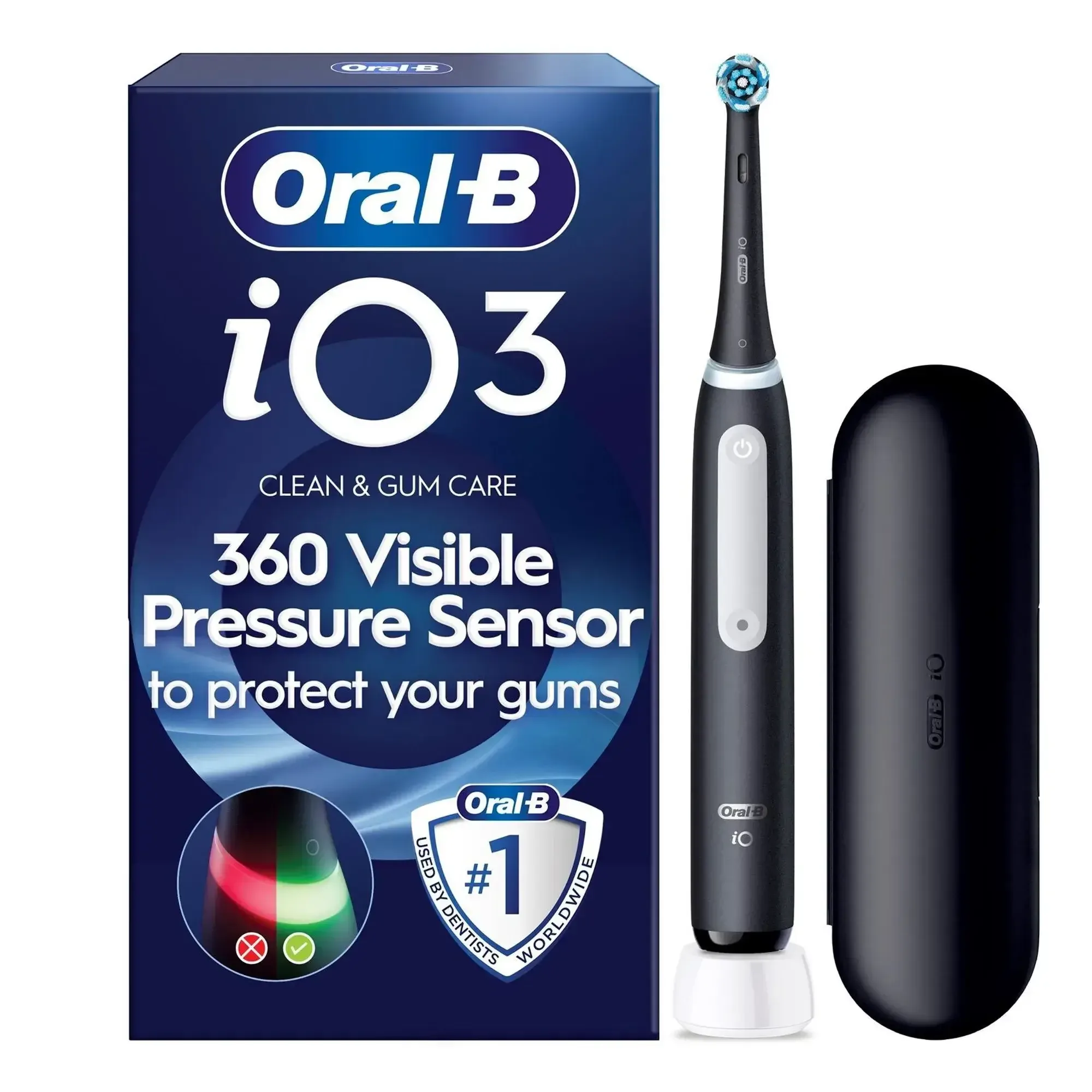
Oral-B products help protect oral health against infections by improving plaque removal and supporting healthier gums. The Oral-B iO Electric Toothbrush Series is designed to remove plaque effectively while remaining gentle on sensitive teeth and gums.
Features such as pressure sensors, multiple brushing modes, and advanced cleaning technology help support cleaner teeth and healthier gums.
Summary
Oral infections can affect different parts of the mouth and may lead to pain, swelling, irritation, or sensitivity if left untreated. Conditions such as gum disease, oral thrush, tooth abscesses, and tooth decay are often linked to plaque buildup and poor oral hygiene habits. Brushing twice daily, flossing, using fluoride products, and attending regular dental checkups all play an important role in reducing infection risk. With the right daily care and tools such as the Oral-B iO Electric Toothbrush Series, you can support long-term oral health and lower the risk of future problems.
FAQs
Are all oral infections contagious?
Not all oral infections are contagious. Bacterial infections like gum disease are usually linked to plaque accumulation rather than direct person-to-person transmission. However, viral infections such as cold sores are contagious. If you’re unsure about the nature of your oral infection, consult a healthcare professional.
Can an oral infection spread to the throat or sinuses?
Yes, in some cases an infection in the mouth can spread to surrounding areas like the throat or sinus cavities, particularly if left untreated. Signs may include persistent sore throat or facial pain. Visiting a dentist or doctor early helps prevent complications.
Can an oral infection cause a fever?
Some severe bacterial mouth infection situations may cause fever, especially tooth abscesses. If you experience significant swelling, fever, or difficulty swallowing, you should seek medical help straight away, as it could signal a more serious issue.
Are oral infections the same as mouth ulcers?
Not always. While mouth ulcers can be related to certain infections, they are often triggered by factors like stress, minor injuries, or certain foods. Ulcers typically form inside the mouth and are not caused by a virus like cold sores. If you have doubts, consult a healthcare professional to rule out an underlying infection.
About Our Medical Reviewers
Dr Robert Lee is a dentist with more than thirty years of experience in the industry.
Graduating from the University of Sydney with a Bachelor of Dental Surgery and from the University of New South Wales with a Master of Business Administration, Robert’s career has taken him all over the world – from Australia to Germany to his current position in Chicago, where he is the founder of Denticus Inc., offering strategic dental consulting.
Robert has previously worked for Procter & Gamble as the Director of Professional Scientific Relations in both the Cincinnati and Sydney offices, being responsible for external relations and scientific exchange with leading professional associations and industry thought leaders. He was also responsible for all technical and scientific training for the professional teams in North America and Australia.
Robert has been assisting the team at Oral-B by fact-checking and reviewing our blogs on dental health.