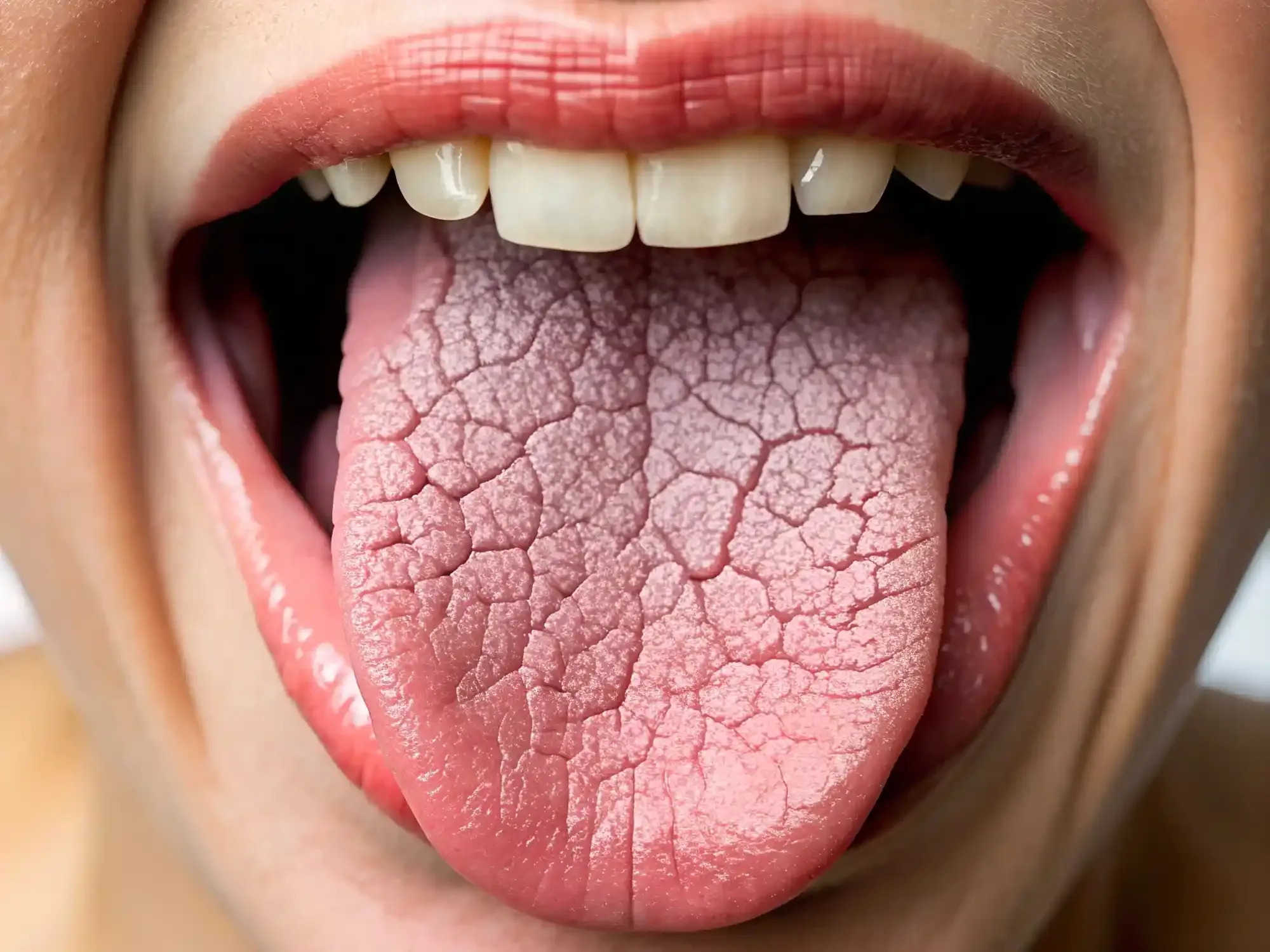
Quick Answer: What is Sialadenitis?
Sialadenitis is an infection or inflammation of the salivary glands that can cause painful swelling around the jaw, cheek, or swollen glands in the neck. It often occurs when saliva flow slows or becomes blocked - commonly due to salivary stones, dehydration, or dry mouth - allowing bacteria to build up. Many mild cases improve with hydration, warm compresses, and gentle gland massage, but persistent pain, fever, pus, or worsening swelling may require antibiotics or medical treatment to prevent complications
Sialadenitis is an infection or inflammation of the salivary glands — the glands responsible for producing saliva to keep your mouth moist and help with digestion. When these glands become blocked or saliva flow slows down, bacteria can build up and lead to pain, swelling, and tenderness around the jaw or neck. In many cases, people notice swollen glands in neck areas or discomfort that worsens while eating.
Although mild cases can sometimes improve with supportive care, persistent symptoms often require professional attention to prevent complications such as abscesses or recurring infections. Understanding what is sialadenitis, what causes it, and how to manage it early can make recovery much easier.
In this article, we’ll explain the most common sialadenitis causes, symptoms to look out for, treatment options, and practical ways to reduce the risk of future flare-ups.
What is Sialadenitis?
Sialadenitis is a condition that affects the glands responsible for producing saliva. It usually develops when saliva flow becomes blocked or reduced, allowing bacteria or other irritants to build up inside the gland.
Your salivary system includes three major pairs of glands:
Parotid glands near the cheeks
Submandibular glands beneath the jaw
Sublingual glands under the tongue
While any of these glands can become inflamed, submandibular sialadenitis is especially common because the saliva produced by this gland is thicker and more prone to blockage.
When saliva cannot flow properly, swelling, tenderness, and infection may follow. Some people notice swollen glands in neck areas, pain during meals, or an unpleasant taste in the mouth as saliva becomes trapped inside the gland.
What are the causes of Sialadenitis?
Sialadenitis causes vary, but most cases develop when bacteria grow inside a blocked or poorly draining salivary gland. Certain health conditions, medications, and lifestyle habits can also increase the risk.
Bacterial infection
Bacterial sialadenitis occurs when bacteria enter the salivary glands and multiply, usually because saliva flow has slowed down. Saliva normally helps wash away germs, but dehydration, illness, or blockage can create an environment where bacteria thrive.
This type of infection may lead to pain, swelling, fever, and tenderness near the jaw or cheeks. In more severe cases, people may experience noticeable swollen glands in neck regions alongside difficulty opening the mouth comfortably.
Salivary stones
Salivary stones are hardened mineral deposits that block saliva ducts (small channels that carry saliva from the glands into the mouth) and prevent normal drainage. These blockages are one of the most common sialadenitis causes and can trigger recurring inflammation or infection.
A blocked duct may cause swelling that worsens during meals, as saliva has nowhere to flow. In some cases, the gland may feel firm or painful to touch.
You can learn more about a salivary gland stone and how it affects saliva flow.
Sialadenitis vs Salivary Stones
Feature | Sialadenitis | Salivary Stones |
|---|
What it is | Infection or inflammation of a salivary gland | Hardened mineral deposits that block a salivary duct |
Primary cause | Bacterial infection, reduced saliva flow, or gland blockage | Mineral build-up within the salivary duct |
Symptoms | Swelling, pain, tenderness, fever, or pus | Swelling and pain, especially during meals |
Treatment | May require antibiotics, hydration, warm compresses, or gland massage | May require stone removal if the blockage does not clear naturally |
Relationship | Can develop as a result of a blocked salivary gland | One of the most common causes of sialadenitis |
Poor oral hygiene
Poor oral hygiene allows bacteria to build up inside the mouth, increasing the risk of infection spreading toward the salivary glands. Plaque accumulation and untreated gum disease may contribute to bacterial sialadenitis over time.
People who frequently experience dry mouth may be especially vulnerable because reduced saliva makes it harder to clear away bacteria naturally.
Chronic illness or weakened immunity
Certain health conditions can make it harder for the body to fight infection. Diabetes, autoimmune disorders, HIV, and other chronic illnesses may increase the risk of recurring sialadenitis symptoms.
Individuals with weakened immune systems may also be more likely to develop repeated episodes of Submandibular sialadenitis (inflammation or infection of the submandibular salivary gland under the jaw, which can lead to tender swelling and pain) or experience slower recovery after infection. Scotland’s GGC Primary Care guidelines also highlight the importance of early treatment when repeated infections or significant swelling occur.
Medications
Some medications reduce saliva production as a side effect. Antihistamines, antidepressants, and certain blood pressure medications can all contribute to dryness inside the mouth.
Reduced saliva flow creates conditions that allow bacteria to multiply more easily, increasing the likelihood of bacterial sialadenitis and gland swelling.
What are Sialadenitis symptoms?
Sialadenitis symptoms can range from mild discomfort to significant swelling and pain, depending on how severe the infection or blockage becomes. Symptoms may also vary based on which gland is affected.
Common signs include:
Swollen glands near the jaw, cheeks, or neck
Pain that worsens during eating or swallowing
Tenderness around the affected gland
Dry mouth or unusually thick saliva
Fever or chills in more severe infections
Difficulty opening the mouth fully
A foul or bad taste in the mouth
Occasional excessive saliva if the gland overreacts to irritation
Some people may only experience mild swelling, while others develop more noticeable swollen glands in neck areas accompanied by fever or persistent pain.
How to treat Sialadenitis?
Sialadenitis treatment focuses on clearing the infection, improving saliva flow, and reducing swelling or discomfort. The right approach depends on the underlying cause and the severity of symptoms.
Common treatment approaches include:
Antibiotics: Often prescribed for bacterial sialadenitis to help clear infection.
Hydration: Drinking plenty of water helps stimulate saliva production and reduce dryness.
Warm compresses: Applying gentle heat may ease swelling and discomfort.
Gland massage: Light massage can encourage saliva flow and help small blockages move naturally.
Pain relief medication: Anti-inflammatory medicines may help reduce tenderness and swelling.
Stone removal procedures: Larger salivary stones may need removal through minor procedures or endoscopy.
For recurring submandibular sialadenitis, healthcare professionals may recommend further investigation to identify underlying blockages or chronic inflammation. Early sialadenitis treatment often prevents complications and supports faster recovery.
How to prevent Sialadenitis?
Preventing sialadenitis mainly involves supporting healthy saliva flow and reducing the buildup of bacteria inside the mouth. Good daily habits can significantly lower the chance of infection returning.
Practise good oral hygiene
Good oral hygiene helps control bacteria that could otherwise spread toward the salivary glands. Brushing twice daily, flossing regularly, and cleaning along the gumline all support a healthier oral environment.
Consistent oral care may also reduce the likelihood of bacterial sialadenitis and minimise plaque buildup that contributes to infection.
Not all toothbrush technologies remove plaque equally well. Researchers evaluated more than 1,300 study participants across 19 clinical trials and compared several toothbrush technologies, including manual and powered options. The technology behind Oral-B iO- oscillation rotation- ranked highest for plaque reduction in the analysis. For consumers, that means it showed the strongest overall performance for helping remove plaque and keep teeth cleaner.
Diet and lifestyle adjustments
Staying hydrated is one of the simplest ways to support healthy saliva flow. Drinking enough water throughout the day helps prevent dryness and encourages the glands to function properly.
Limiting smoking, excessive alcohol, and sugary foods may also help reduce irritation and bacterial growth.
People who are prone to dry mouth should pay extra attention to hydration habits.
Regular dental checkups
Routine dental visits can help detect oral health issues before they become more serious. Dentists may identify early signs of infection, gum disease, or salivary gland blockages during regular examinations.
Professional cleanings and early intervention can help lower the risk of recurring swollen glands or persistent inflammation.
When to see a medical professional
You should seek medical advice if your symptoms persist for more than a few days, worsen over time, or become severe. Prompt evaluation is important because untreated infections can occasionally lead to abscesses or spreading infection.
Signs that warrant professional attention include:
Persistent swollen glands in neck or jaw areas
Fever or chills
Severe pain while eating
Difficulty swallowing or opening the mouth
Pus or unusual discharge inside the mouth
Ongoing swelling that does not improve
People with weakened immune systems or recurring infections should seek medical advice sooner rather than later.
Your oral care routine with Oral-B
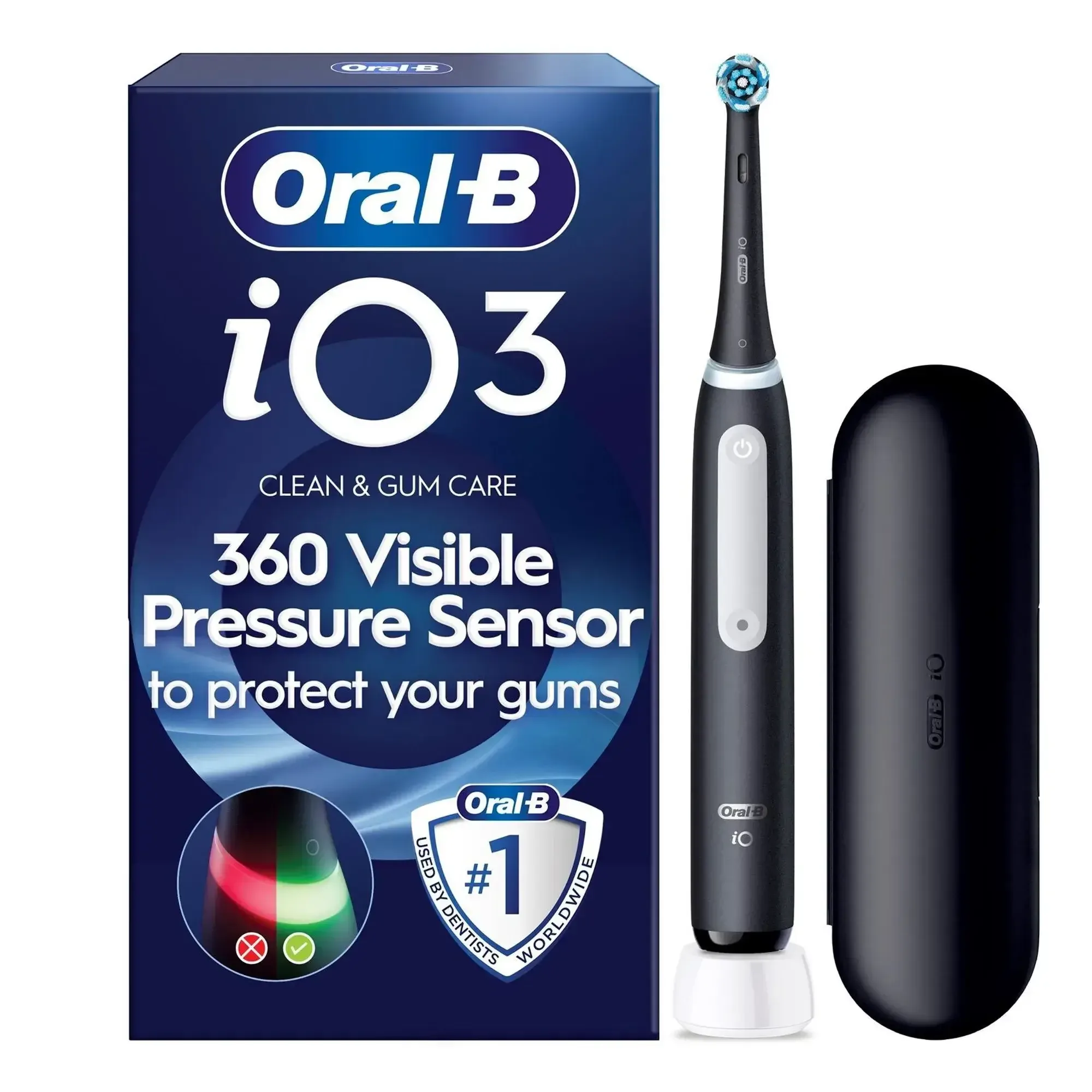
A strong oral hygiene routine can help reduce bacteria buildup that contributes to sialadenitis causes linked to infection and poor saliva flow. The Oral-B iO Electric Toothbrush Series is designed to deliver a powerful yet gentle clean while helping protect gums and sensitive oral tissues.
Its advanced micro-vibrations, pressure sensors, and smart cleaning modes help remove plaque effectively — especially along the gumline and hard-to-reach areas where bacteria can accumulate. Supporting better oral hygiene may help lower the risk of bacterial sialadenitis and support long-term oral health overall.
Summary
Sialadenitis is a salivary gland infection or inflammation that commonly develops when saliva flow slows down or becomes blocked. Symptoms can range from mild tenderness to painful swollen glands in neck or jaw areas, particularly during meals.
Many cases improve with early sialadenitis treatment such as antibiotics, hydration, gland massage, and improved oral hygiene. Preventive habits like staying hydrated, maintaining good oral care, and attending regular dental appointments can also help reduce the risk of recurring infections.
If symptoms persist or worsen, it’s important to seek professional advice to avoid complications. Supporting your daily routine with tools like the Oral-B iO Electric Toothbrush Series may also help maintain a cleaner, healthier mouth and reduce bacterial buildup linked to infection.
FAQs:
Is sialadenitis contagious?
Sialadenitis itself is not usually contagious. However, if the infection is caused by certain bacteria or viruses, those germs may sometimes spread through close contact.
Can sialadenitis go away on its own?
Mild cases may improve with hydration, rest, and good oral hygiene. However, persistent swelling, fever, or worsening pain should be evaluated by a healthcare professional because bacterial sialadenitis often requires treatment.
Is pain while eating a sign of sialadenitis?
Yes. Pain that worsens while eating is a common sign because saliva production increases during meals, putting pressure on an inflamed or blocked gland. This symptom is especially common in submandibular sialadenitis.
Can a blocked salivary gland clear itself?
Sometimes. Mild blockage may improve with hydration, warm compresses, gentle massage, and sugar-free sour sweets to stimulate saliva. If symptoms persist beyond a few days, worsen, or include fever, pus, or severe pain, seek medical advice.
What foods should I avoid with sialadenitis?
Avoid foods and drinks that worsen irritation or dryness, such as alcohol, caffeine, very sugary items, and spicy or acidic foods (e.g., citrus). Very dry foods can be uncomfortable. Choose softer foods and stay hydrated, especially if pain flares during meals.