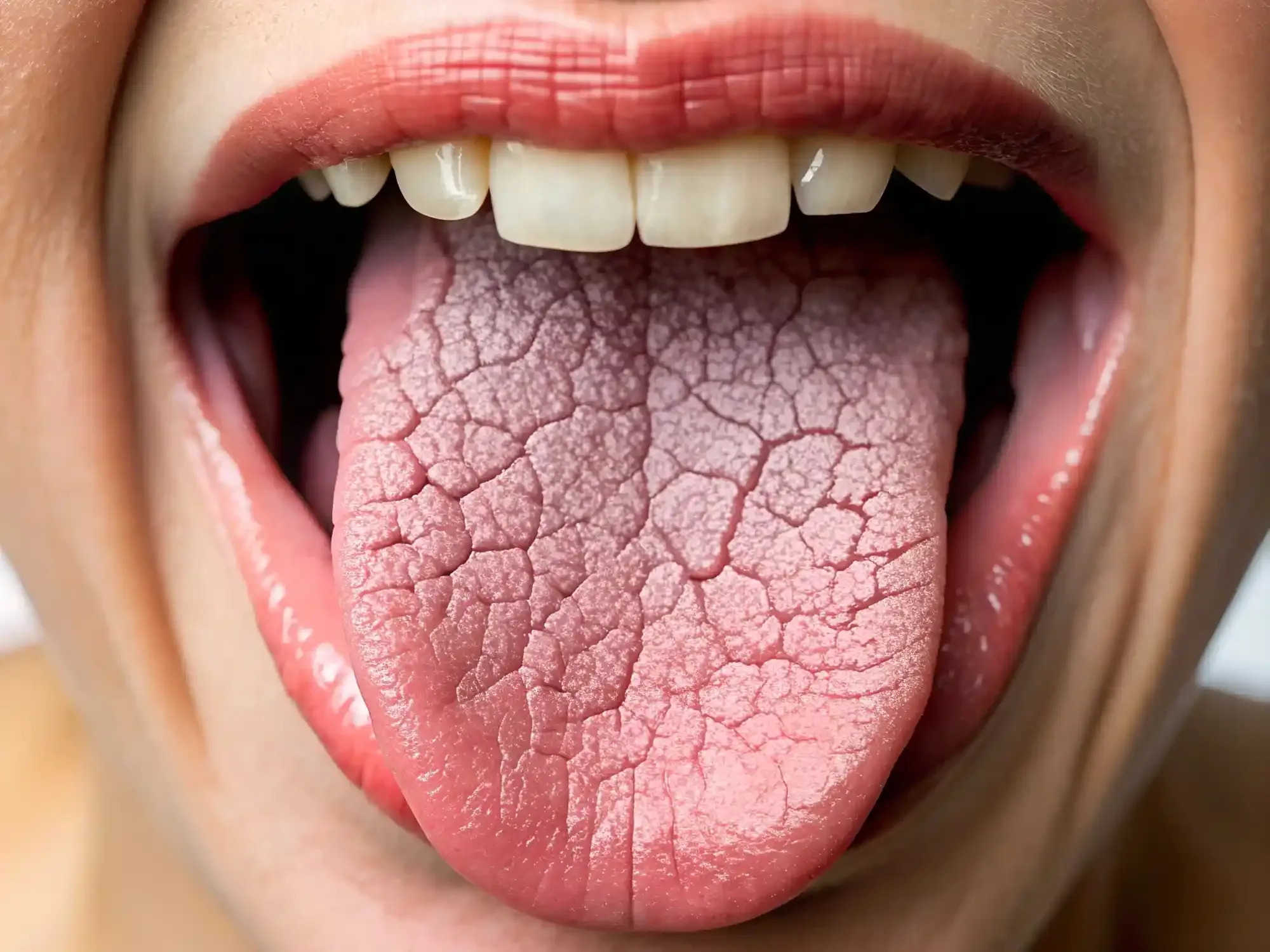
Quick Answer:
What is mouth pain?
Mouth pain is discomfort in any part of the mouth, including the gums, tongue, cheeks, palate, or teeth. It’s often caused by irritation, injuries, infections, tooth problems, or gum disease. Pain can feel sharp, burning, or sore and may affect eating, drinking, or speaking. Mild cases often improve with home care like saltwater rinses, but persistent, severe, or recurring pain should be checked by a dental professional.
Mouth pain is discomfort that affects areas inside the mouth, such as the gums, tongue, teeth, or soft tissues. It can feel sharp, sore, burning, or tender depending on the cause.
This type of discomfort can develop due to factors like irritation, infection, dental issues, or underlying health conditions.
In this article, we’ll explain the common causes, symptoms to watch for, and simple ways to manage and prevent mouth pain.
What is mouth pain?
Mouth pain refers to discomfort anywhere inside the mouth, including the gums, cheeks, tongue, palate, or teeth. It usually develops when oral tissues become irritated, inflamed, injured, or infected.
The discomfort can range from mild sensitivity to ongoing pain that affects eating, drinking, or speaking. Addressing symptoms early is important because persistent irritation may point to an underlying dental or health concern that requires treatment.
What are the common causes of mouth pain?
Mouth pain is commonly caused by irritation, infection, dental problems, or injury affecting the soft tissues inside the mouth.
Injury or trauma
Minor injuries inside the mouth are a common cause of discomfort. Accidentally biting your cheek, eating sharp foods, or irritation from braces or dental appliances can leave sore or swollen areas behind. Burns from hot food or drinks are a common reason people feel like their roof of mouth hurts after eating or drinking something very hot.
Most mild injuries heal naturally, although severe swelling or bleeding may require professional care.
Toothache and dental issues
Tooth decay, cavities, cracked teeth, or exposed nerves can all trigger mouth pain. According to the NHS, toothache may also occur when fillings become loose or infection develops inside the tooth pulp.
Pain from upper teeth can sometimes spread to surrounding areas, causing pain in the roof of mouth areas as well as discomfort in the jaw. Persistent tooth pain should always be assessed by a dentist to prevent complications.
You can also explore more about toothache and how it contributes to wider oral discomfort.
Gum disease
Gum disease develops when plaque and bacteria irritate the gum tissues, often leading to inflammation and ongoing oral pain if left untreated. Early gum disease may cause redness, tenderness, or bleeding during brushing, while advanced stages can result in swelling, loose teeth, and ongoing pain. According to Guy’s and St Thomas’ Hospital, treating gum problems early helps reduce the risk of more serious oral complications.
Learning more about gum disease and its warning signs can help you act early before discomfort worsens.
Mouth ulcers
Mouth ulcers are painful sores that form inside the mouth, often on the cheeks, tongue, lips, or palate. They’re often linked to stress, minor injuries, irritation, or nutritional deficiencies.
Although most ulcers heal within one to two weeks, larger or recurring sores may need professional evaluation. If discomfort continues, it may help to learn more about mouth ulcers and the factors that commonly trigger them.
Cold sores
Cold sores are small fluid-filled blisters caused by the herpes simplex virus. They can sometimes lead to lingering pain in mouth, especially while eating or speaking.
Many people notice tingling, burning, or tenderness before the sores appear. While outbreaks often heal on their own, recurring symptoms may benefit from medical advice and management strategies.
Burning mouth syndrome
Burning mouth syndrome causes ongoing burning, tingling, or scalding sensations inside the mouth without obvious visible sores. It commonly affects the tongue, lips, or palate.
Possible triggers include hormonal changes, nutritional deficiencies, stress, or medication side effects. Because symptoms can resemble other oral conditions, professional evaluation is often recommended.
Mouth ulcer vs cold sore vs toothache
Condition | Where pain occurs | Typical appearance | Contagious? |
|---|
Mouth ulcer | Inside the mouth | White or yellow sore with a red border | No |
Cold sore | Usually lips or around the mouth (sometimes inside) | Fluid-filled blister | Yes, while active |
Toothache | Tooth or surrounding gum | Usually no visible sore | No |
What are the signs and associated symptoms of mouth pain?
Mouth pain can cause symptoms such as swelling, tenderness, redness, sensitivity, sores, or difficulty eating and speaking, depending on the underlying cause.
Common symptoms include:
Swelling or tenderness in the gums
Red or white patches inside the mouth
Sensitivity to hot, cold, or spicy foods
Burning or tingling sensations
Pain while chewing or speaking
Bleeding gums or persistent bad breath
Some people may also experience discomfort in the roof of the mouth or jaw tension alongside oral soreness.
When to see a medical professional
You should seek professional advice if mouth pain becomes severe, lasts longer than expected, or keeps returning.
Watch for:
Symptoms lasting more than one to two weeks
Increasing pain or swelling
Difficulty eating or drinking
Signs of infection such as fever or discharge
Changes that do not improve with basic care
According to Guy’s and St Thomas’ Hospital, early treatment can help prevent more serious oral health complications.
How to manage mouth pain?
The best way to manage oral discomfort is to identify the cause while reducing irritation and supporting healing.
Home remedies for mouth pain
Simple home remedies may provide temporary relief while the irritated tissues heal:
Rinse with warm saltwater to soothe irritated tissue
Apply a cold compress externally to reduce swelling
Drink plenty of water to keep the mouth hydrated
Avoid spicy, acidic, or very hot foods
Use a soft-bristled toothbrush to avoid aggravating sore areas
The NHS also recommends maintaining gentle oral hygiene to support healing while preventing plaque buildup.
Medical treatments
More persistent or severe symptoms may require professional treatment for mouth pain, depending on the underlying cause. Dentists may recommend fillings, deep cleaning, medicated mouthwashes, or prescription treatments.
Antibiotics may be used if infection is present, while corticosteroid gels or rinses can help reduce inflammation linked to ulcers or immune-related conditions.
Tips to manage chronic mouth pain
If mouth pain keeps returning, it may help to:
Track foods that trigger irritation
Reduce stress levels where possible
Avoid tobacco and excessive alcohol
Switch to gentler oral care products
Stay consistent with dental check-ups
Recurring discomfort in the same area should always be professionally assessed to rule out ongoing irritation or infection.
How to prevent mouth pain?
Mouth pain can often be prevented by maintaining good oral hygiene and reducing common triggers.
Practise good oral hygiene
Brushing twice daily and flossing regularly helps remove plaque and reduce the risk of tooth decay and gum irritation. Using a gentle toothbrush and cleaning the tongue may also help maintain a healthier oral environment.
Maintain a healthy diet
A balanced diet supports healthier teeth and oral tissues. Reducing sugary snacks and acidic foods can help minimise irritation and lower the risk of cavities or inflammation.
Avoid tobacco
Smoking and chewing tobacco can irritate oral tissues and increase the likelihood of gum disease, ulcers, and chronic mouth discomfort. Reducing or quitting tobacco use supports overall oral health.
Attend regular dental check-ups
Per NHS, routine dental visits help identify early signs of tooth decay, gum disease, or irritation before symptoms worsen. Preventive care and professional cleanings can reduce the risk of more serious oral problems later on.
Oral-B helps support a healthier oral care routine
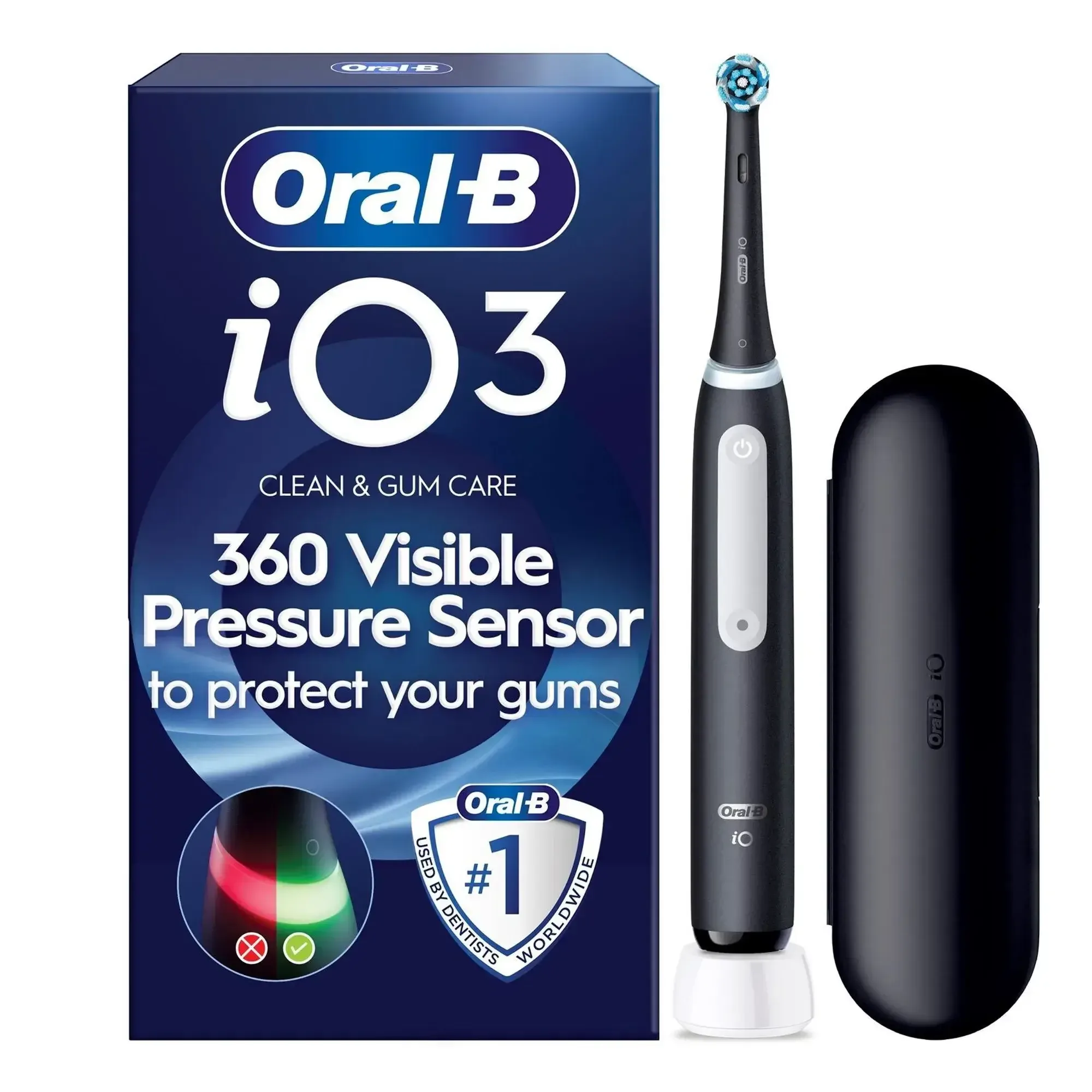
A strong daily oral care routine can help lower the risk of irritation, gum problems, and recurring soreness. The Oral-B iO Electric Toothbrush Series combines gentle micro-vibrations with effective plaque removal technology to help clean teeth and gums thoroughly without being harsh on sensitive areas.
Researchers combined evidence from more than 1,300 study participants to better understand which toothbrush technology performs best. Their analysis showed that the oscillating rotating technology behind Oral-B iO's superior clean ranked highest for both plaque and gingivitis reduction among the evaluated technologies. The results provide strong independent scientific support for its oral-health benefits.
Its smart pressure sensor also helps prevent overbrushing, which can irritate already tender gums or mouth tissues. Combined with regular dental visits and healthy daily habits, a quality oral care routine can help support long-term oral comfort.
Summary
Mouth pain can develop from many different causes, including injuries, tooth decay, gum disease, ulcers, viral infections, or irritation inside the mouth. While mild discomfort may improve with home care, per NHS, persistent or worsening pain should be professionally assessed to identify the underlying issue.
Simple habits such as good oral hygiene, staying hydrated, limiting tobacco use, and attending regular dental check-ups can all help lower the risk of recurring oral discomfort. Pairing these habits with supportive oral care tools like the Oral-B iO Electric Toothbrush Series can help maintain a cleaner, healthier mouth and reduce irritation over time.
FAQs for Mouth Pain
Can viral infections cause mouth pain?
Yes. Certain viral infections, including herpes simplex, can cause sores, irritation, and tenderness inside the mouth.
Can stress contribute to mouth pain?
Yes. Stress may increase teeth grinding, jaw clenching, and mouth ulcers, all of which can contribute to oral discomfort.
Why do I keep getting mouth pain in the same area?
Recurring pain in the same spot may be caused by repeated irritation, dental issues, or an underlying condition that needs professional evaluation.