Quick answer:
What are gumline cavities?
Gumline cavities are areas of tooth decay that form where the tooth meets the gum, often appearing as small brown, yellow, or dark notches along this border. This zone easily traps plaque and can be harder to clean, so acids from bacteria can damage enamel or exposed root surfaces more quickly. Treating gumline decay early helps prevent pain, infection, and possible tooth loss.
Gumline cavities are areas of tooth decay that develop where the tooth meets the gum. Because this area is more likely to trap plaque (a soft, sticky film of bacteria) and can be harder to clean thoroughly, decay can spread quickly if left untreated. In this article, you'll learn what causes gumline cavities, the signs to look out for, available treatment options, and practical ways to help protect your teeth and gums.
What are gumline cavities?
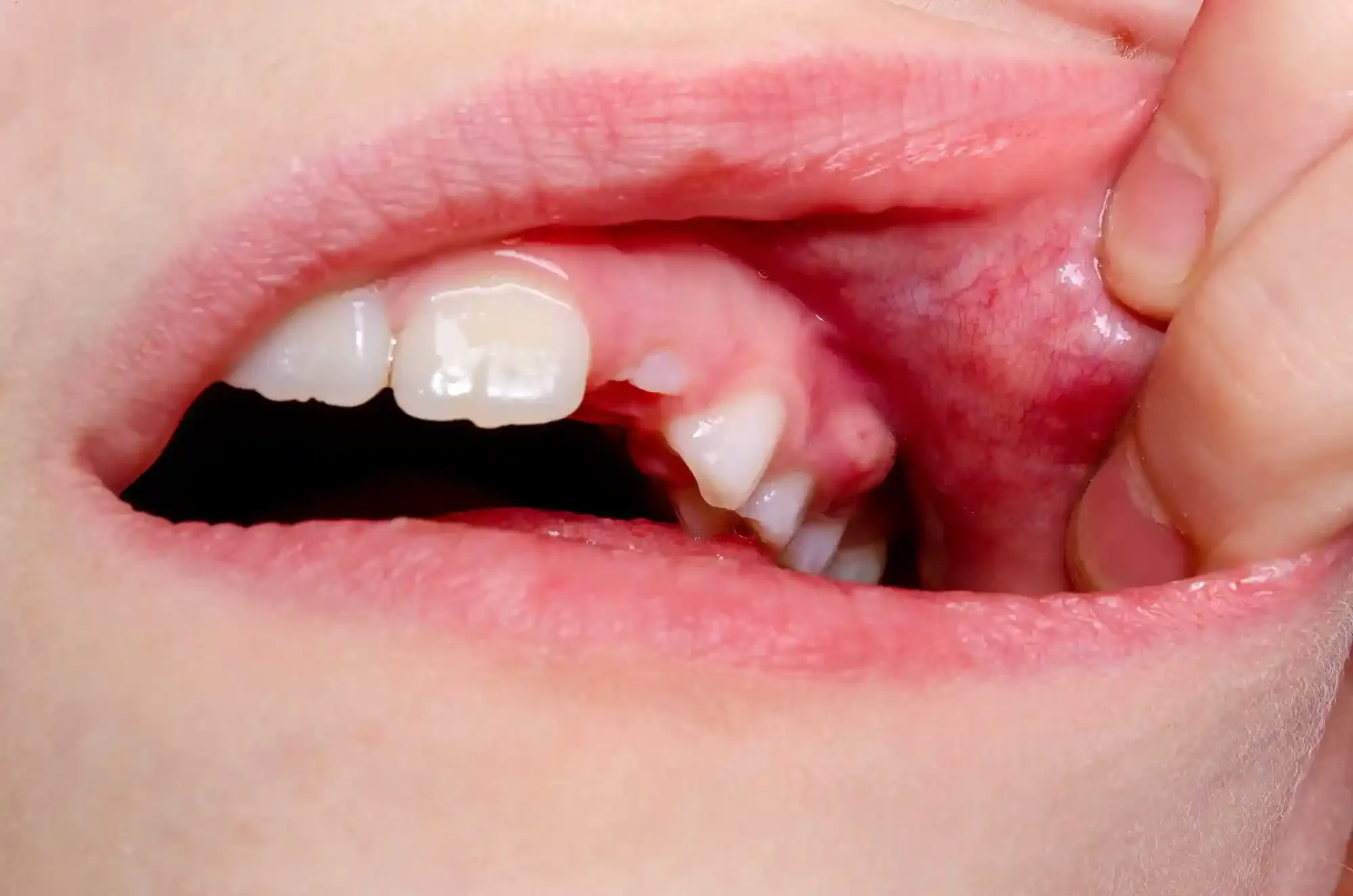
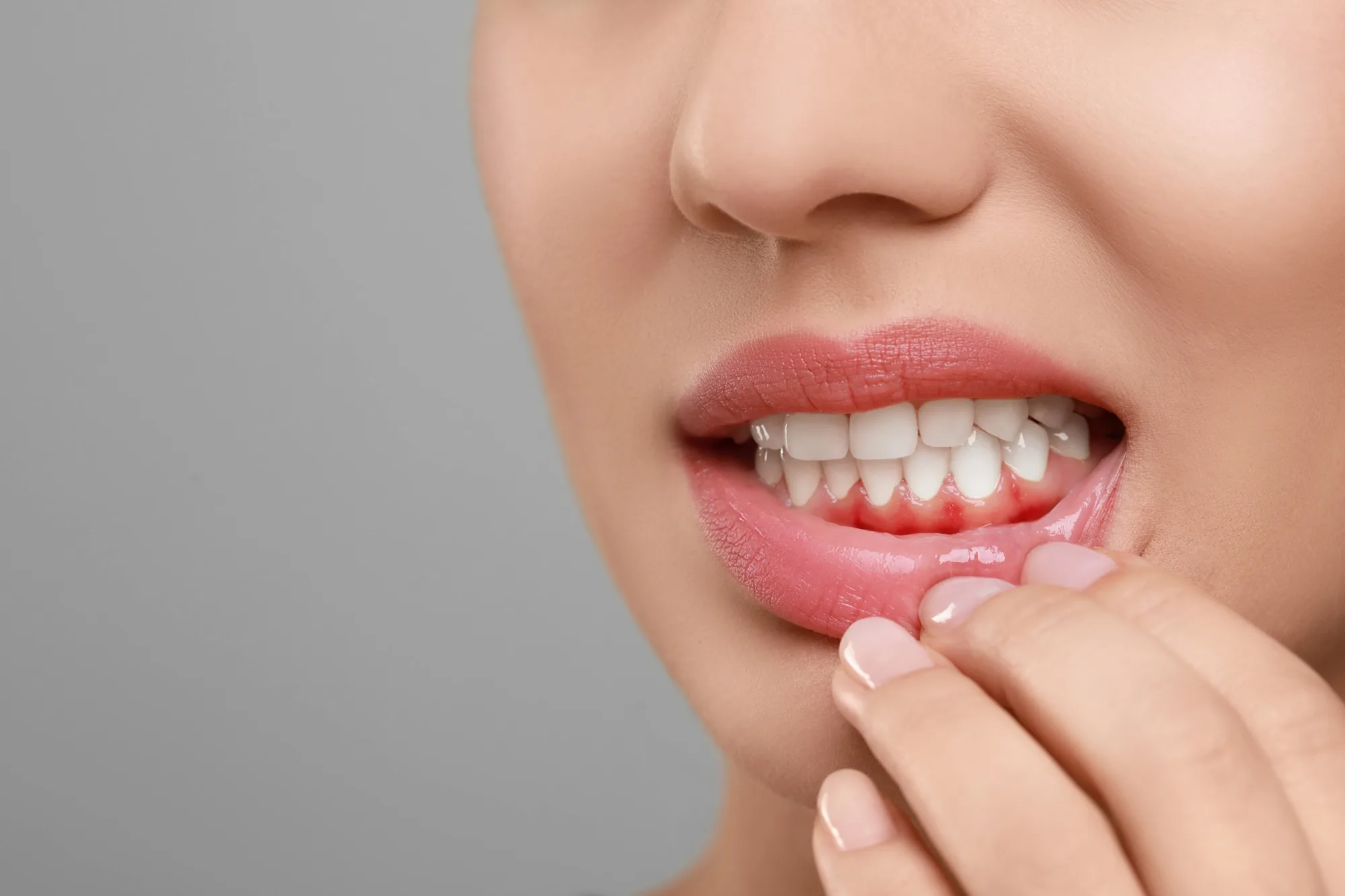
Gumline cavities are areas of decay that form where the tooth meets the gum. They often appear as small brown, yellow, or dark patches or notches near the gumline and may affect the enamel (hard, mineral-rich outer coating of the tooth that protects it from wear and decay) or, if the gums have receded, the exposed root surface.
This part of the tooth is especially vulnerable because plaque can collect easily around the gum margin. Over time, bacteria in plaque produce acids that gradually weaken the tooth, leading to decay if plaque isn't removed effectively.
What are the differences between regular and gumline cavities?
The main difference is where the decay develops. Regular cavities usually form on the chewing surfaces or between teeth, while gumline cavities occur where the tooth meets the gum.
If gum recession exposes the root surface, decay can progress more quickly because the root is covered by cementum, which is softer than enamel. For this reason, gumline cavities often require early intervention to prevent more extensive damage.
What causes gumline cavities?
Gumline cavities usually develop when plaque remains around the gumline and weakens the tooth over time. Several factors can increase the risk.
Poor oral hygiene
Plaque build-up is one of the leading causes of gumline cavities. When plaque isn't removed thoroughly through brushing and interdental cleaning, bacteria produce acids that attack the enamel and exposed root surfaces.
Gum recession
Receding gums expose the softer root surface, making it more vulnerable to decay. Even small areas of recession can increase the likelihood of developing cavities near the gumline.
Dry mouth
Dry mouth reduces saliva's natural ability to protect your teeth. Saliva helps wash away food particles and neutralise acids, so reduced saliva flow increases the risk of decay along the gumline.
Dietary factors
Frequent sugary snacks and acidic drinks increase the risk of decay. Repeated acid attacks weaken the tooth surface, especially in areas where plaque tends to collect near the gums.
What are the symptoms of gum cavities?
Gumline cavities often begin with mild symptoms that become more noticeable as decay progresses.
Common signs include:
Localised tooth sensitivity near the gum when eating or drinking
A visible notch, pit, or discoloured area along the gumline
Sharp pain when brushing close to the gum in one area
Mild, lingering ache around one tooth at the gum margin
Bad breath or unpleasant taste from food trapping in the cavity
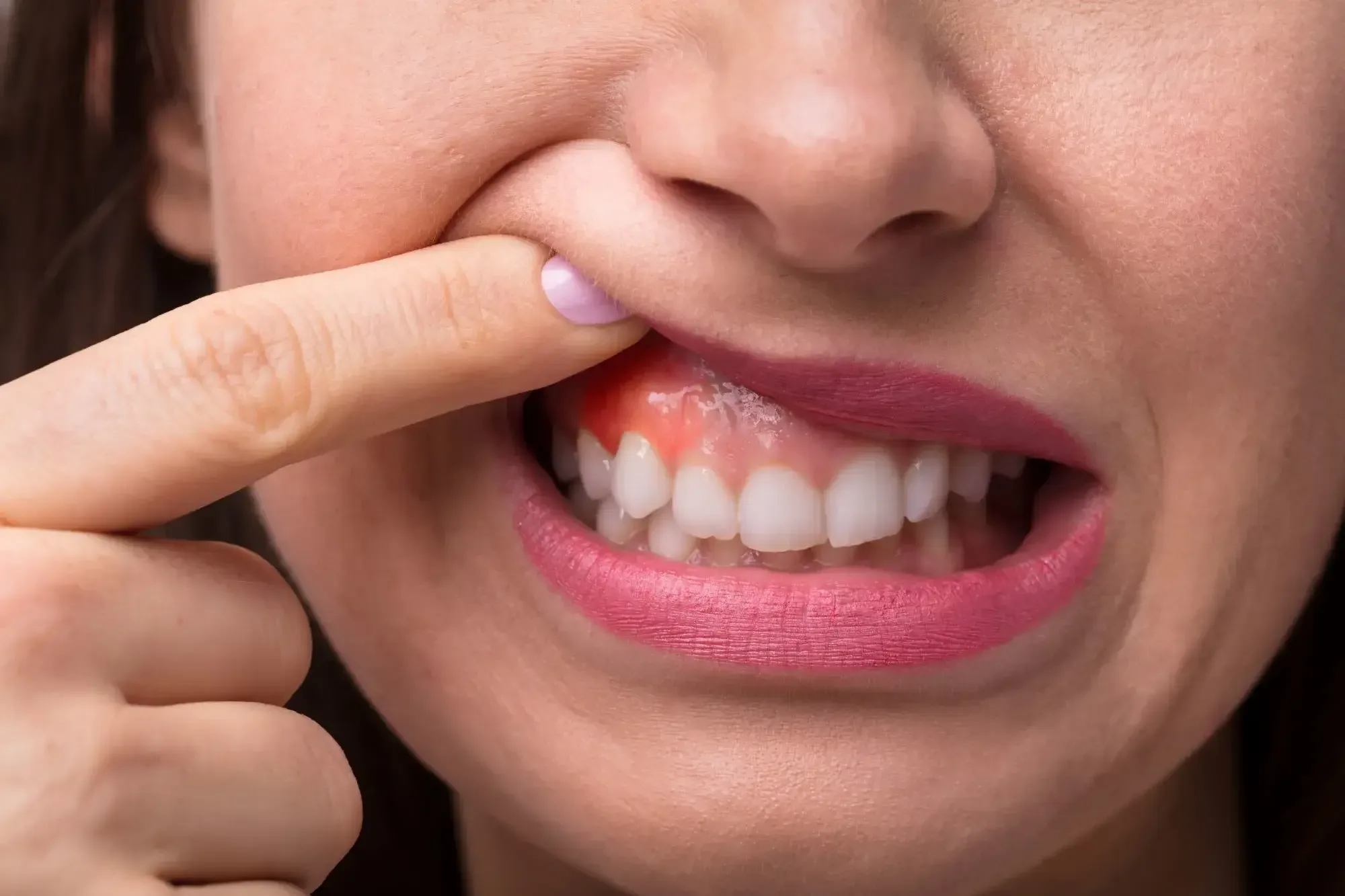
Redness or slight swelling of the nearby gum tissue
If you notice any of these symptoms, arrange a dental examination as soon as possible.
What are the treatment options for gumline cavities?
Treatment for gumline cavity depends on how advanced the decay is and whether it has reached the inner parts of the tooth.
Remineralisation
Very early decay may be managed without a filling. Remineralisation is the natural repair process by which minerals like calcium and phosphate, often supported by fluoride, are redeposited into weakened areas of enamel. Fluoride treatments and improved oral hygiene can help strengthen weakened enamel before a cavity forms.
Dental fillings
Fillings (restorations used to repair teeth that have developed a cavity) are the most common treatment once a cavity has developed. Your dentist removes the decayed tissue and restores the tooth with a filling material.
Dental crowns
Crowns (tooth-shaped coverings that fit over a damaged tooth to restore its strength, shape, and appearance) may be recommended if a large amount of tooth structure has been lost. They strengthen and protect weakened teeth.
Root canal therapy
If decay reaches the tooth's nerve, root canal treatment may be needed. This removes infected tissue while preserving the tooth.
Extraction
Severely damaged teeth that cannot be restored may need to be removed. Your dentist will discuss replacement options if extraction is necessary.
Gum grafting
If gum recession contributed to the cavity, gum grafting (procedure that involves taking gum tissue from another area of the mouth or using graft material to cover exposed root surfaces) may also be recommended. This procedure covers exposed root surfaces and can improve both comfort and long-term oral health.
Should I see a dentist for gumline cavities?
You should see a dentist if you notice persistent sensitivity, visible notches along the gumline, or localised pain when brushing or eating. Early visits allow your dentist to diagnose the problem accurately and offer a how to treat gumline cavity plan tailored to the severity of your case.
Book an appointment if you notice:
Persistent tooth sensitivity
A visible dark spot or notch near the gumline
Pain while brushing or eating
Swollen or bleeding gums around one tooth
Food repeatedly becoming trapped in the same area
Early treatment is usually simpler, less invasive, and more successful than waiting until symptoms become severe.
How can I prevent gumline cavities?
Good daily oral hygiene and regular dental care are the best ways to reduce your risk.
To help prevent gumline cavities:
Brush twice a day with fluoride toothpaste
Clean between your teeth daily using floss or interdental brushes
Brush gently along the gumline
Limit sugary snacks and acidic drinks between meals
Stay hydrated, especially if you experience dry mouth
Visit your dentist regularly for check-ups and professional cleanings
These habits help reduce plaque and protect both your teeth and gums.
How Oral-B helps you deal with gumline cavities
Plaque builds up on teeth every day and can collect in places that are easy to miss when brushing. To better understand which toothbrush technologies remove plaque most effectively, independent researchers reviewed 19 clinical studies involving more than 1,300 participants. They found that oscillation rotation, the same cleaning technology used in Oral-B iO ranked highest for plaque reduction among the technologies evaluated. The findings suggest this technology can help support cleaner teeth and better everyday oral hygiene.
Oral-B products are designed to help remove plaque effectively while being gentle on your gums. The Oral-B iO Electric Toothbrush Series combines a round brush head, micro-vibrations, and smart pressure control to help clean thoroughly around the gumline without brushing too hard. When paired with Oral-B's toothpastes containing fluoride and regular dental check-ups, it can help support healthier gums and reduce the risk of future gumline cavities.
Summary
Gumline cavities develop where the tooth meets the gum and can affect both enamel and exposed root surfaces. They're commonly linked to plaque build-up, gum recession, dry mouth, and frequent exposure to sugars and acids. Fortunately, they're highly treatable when detected early.
The best protection is a consistent daily oral care routine combined with regular dental visits. Brushing carefully along the gumline, cleaning between your teeth, and using fluoride toothpaste all help reduce plaque and protect vulnerable areas. If you notice sensitivity or changes near your gums, don't wait. Seeing your dentist early can help preserve your natural teeth and prevent more extensive treatment.
FAQs about gumline cavities
Can you reverse a gumline cavity?
Very early changes in enamel near the gumline may be helped with fluoride and improved oral care, which can support remineralisation. Once a true cavity has formed, it cannot fully reverse and will usually need a filling or other professional treatment.
Does aggressive brushing contribute to gumline cavities?
Brushing too hard can cause gum recession, which exposes the softer root surface and makes decay more likely. Using a soft brush, gentle pressure, and proper technique helps protect both teeth and gums while still removing plaque effectively.
Do gumline cavities always cause tooth sensitivity?
Not always. Some gumline cavities remain painless at first and are only spotted during a dental check-up. Others may cause sensitivity to cold drinks, sweet foods, or brushing near the gum. Any new or persistent sensitivity should be checked by your dentist.