Causes of Bone Loss
As with so many dental-related issues, there’s no single cause of bone loss. However, there are a few common triggers.
Gum Disease (Periodontitis)
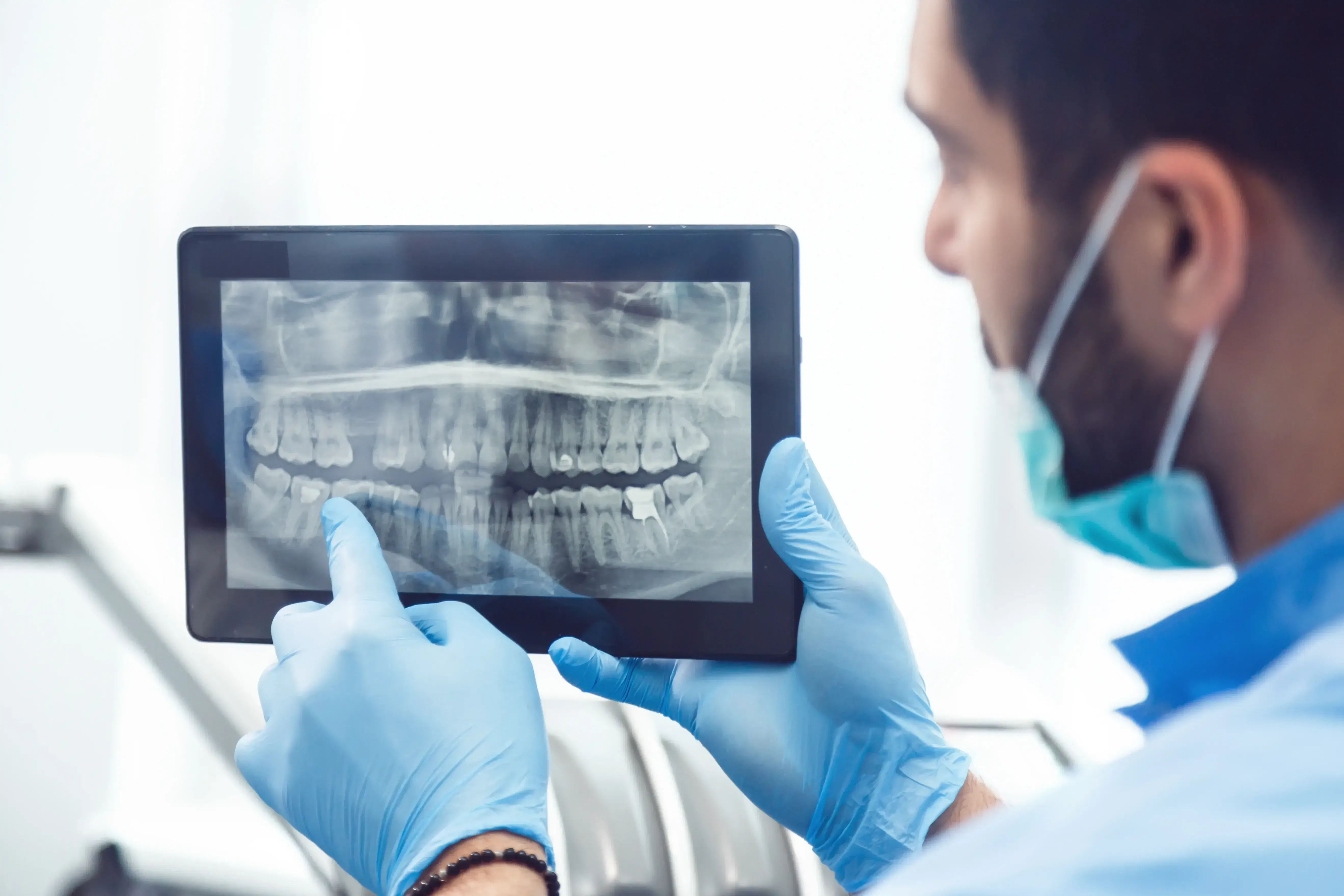
Gum disease is the most common cause of bone loss, as noted by the Cleveland Clinic. When plaque and tartar build up under the gum line, bacteria cause the gums to become inflamed. Over time, this inflammation can destroy the tissue and bone supporting the teeth.
Poor Dental Habits
Not brushing or flossing regularly can lead to plaque buildup, which increases the risk of gum disease and infection. In addition, smoking and chewing tobacco can reduce blood flow to the gums, slowing healing and making bone loss more likely.
Tooth Loss
Missing a tooth can affect more than just your appearance. That’s because the jawbone relies on regular stimulation from chewing to stay healthy. Without a tooth in place, the bone underneath no longer gets that stimulation and begins to shrink. This can get worse if the gap is left unfilled for a long time.
Ill-fitting Dentures or Bridges
Dentures or bridges that don’t fit properly can cause unhealthy pressure on your gums and jawbone. Over time, this can accelerate bone deterioration.
Trauma or Injury
Accidents that damage or knock out teeth can also harm the bone beneath. So, if the area isn’t treated properly, the bone may start to resorb (aka shrink) over time.
Medical Conditions
Conditions like osteoporosis and diabetes affect bone density and immune response, and that can also contribute to bone loss. Some medications, including steroids or anti-epileptic drugs, may also play a role.